
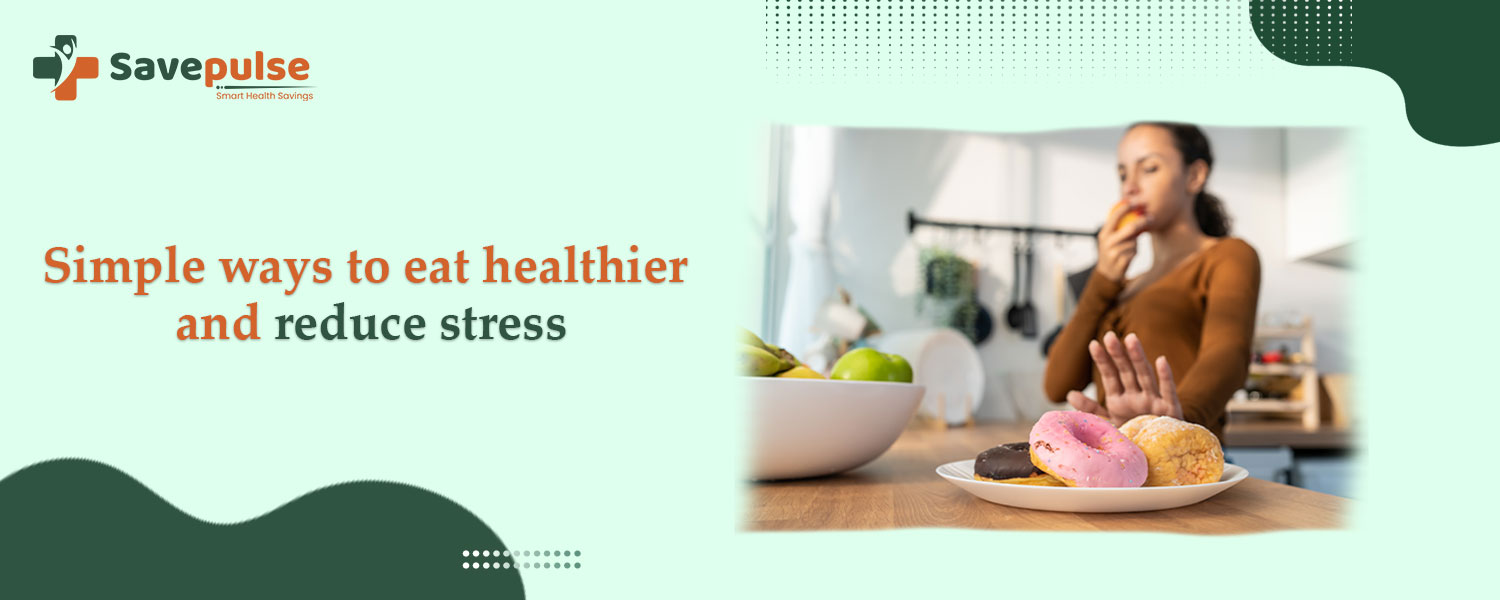
Do you want to lead a healthier and more active lifestyle? The process of making healthier eating choices is a great start towards this goal.
It can be challenging to change long-established patterns, but a person has to start somewhere, so it is best to begin with small steps. A healthy diet and proper functioning of the body are interrelated and connected to other essential elements such as exercise, sleep, and stress management.
Diet and Stress Level Interconnection
When a person is dealing with excessive stress, it may affect their dietary pattern. Someone who eats too much, too little, or unbalanced meals while being overwhelmed with stress may find themselves craving sweet or fatty foods. Moreover, a stressed individual may experience overeating or loss of appetite. On the other hand, having a proper diet improves a person’s physical, mental, and emotional state.
It contains all the necessary nutrients, minerals, and vitamins that the human body needs to function correctly. A well-balanced diet that includes whole foods, fruits, vegetables, legumes, nuts, dairy, lean proteins, healthy fats, fiber, and carbohydrates helps reduce stress levels. Developing the habit of having a nutritious diet and proper hydration is important.
Hydration refers to the process of maintaining the proper water-salt balance in the human body. Limiting highly processed foods and added sugars while eating clean and wholesome foods is also essential.
Unhealthy Eating Habits Vicious Circle
Due to the fact that food is an integral part of the human diet, the importance of a balanced diet and eating pattern cannot be underestimated.
When people are too stressed, they tend to consume more junk food or eat unhealthy meals in order to soothe their nervous system. Although this might provide temporary relief, frequent and excessive consumption of processed and unhealthy foods will lead to negative consequences in the future. Stress decreases the motivation to eat healthily, leading to the vicious circle of unhealthy eating pattern and stress.
This, in turn, negatively affects overall health and well-being, increasing stress levels even more. Breaking this pattern might be challenging; however, it is possible to start from small things. To begin with, it is essential to consume more fruits, vegetables, whole grains, and fiber. It is also important to reduce the intake of processed foods, added sugars, and unhealthy fats.
Healthy Eating Plan
It is not necessary to rebuild the whole dietary pattern at once but instead begin with simple steps and develop a healthy eating plan.
The following suggestions can be implemented in daily life:
- Eat healthy breakfasts.
- Chew slowly and eat smaller meals more frequently throughout the day.
- Pay attention to the body and stop eating when it is full.
- Choose foods that are less fatty.
- Make healthier snacks, such as fruits or yogurt.
- Drink enough water.
- Limit sweets.
- Season foods with herbs, lemons, vinegar, and spices.
- Limit alcohol consumption.
- Avoid smoking.
- Eat a variety of fruits and vegetables.
- Vary the foods eaten for breakfast.
- Reduce fat consumption and use healthier oils.
- Add more vegetables to the daily diet.
- Make meal planning in advance.
- Get enough sleep.
- Add walking, jogging, or some other form of physical activity to the daily schedule.
The most critical point is to ensure that these changes are sustainable in the long run.
Fitness and Other Physical Activities
Apart from a healthy diet, daily physical activity is another cornerstone of a healthy lifestyle.
In addition to reducing stress levels, exercising regularly helps a person obtain and maintain an optimal weight, strengthens the muscle and skeletal system, improves the functions of the cardiovascular system, and boosts the immune system. There are numerous types of physical activities that a person can engage in. These include walking, running, bicycling, swimming, yoga, weight training, dancing, and sports.
Yoga helps improve flexibility, strength, mood, and mental focus. The most important point is not to do too much at once and to begin with something simple. Taking a 30-minute walk every day is a good example of a physical activity that is easy to implement.
Mindfulness Meditation and Breathing Exercises
Mindfulness meditation is an excellent opportunity to relax, decompress, and rebalance emotionally. The aim of meditation is to concentrate on one’s breathing or some other specific object. This tool can be used to manage stress, improve sleep quality, and be more aware of one’s thoughts, feelings, and behaviors.
Meditation is usually performed in a quiet place, a calm, comfortable posture, and a focused mindset. Paying attention to the natural rhythm of breathing allows a person to relax and de-stress. A similar effect can be achieved through breathing exercises. They are used to treat stress, anxiety, insomnia, high blood pressure, and excessive mental workload.
The key idea is to practice meditation and breathing exercises regularly. A good option is to start each day with a few minutes of mindfulness and gradually increase the time spent on it. It is vital to find a place and time to do this regularly without disturbance.
Conclusion
Evidently, changing unhealthy dietary patterns towards a healthier and more active lifestyle is a process that involves many factors. However, it is necessary to remember that all these small steps contribute to the creation of new healthy habits that will become a permanent part of an individual’s lifestyle.

