
































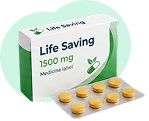










The stated strength is 60000 IU per capsule. The manufacturer, capsule type, pack size, excipients and approved dosage instructions should be verified from the original packaging before publishing.
What Are Vitamin D3 60000 IU Capsules?
Vitamin D3 60000 IU Capsules contain cholecalciferol, a fat-soluble vitamin essential for maintaining normal calcium and phosphorus metabolism, bone mineralization and muscle function.
Vitamin D3 helps the body absorb calcium and phosphorus from the digestive tract. These minerals are important for maintaining healthy bones, teeth and normal physiological functions.
The body naturally produces vitamin D when the skin is exposed to sunlight. can also be obtained through certain foods, fortified products and dietary supplements.
Vitamin D deficiency may occur due to inadequate sunlight exposure, insufficient dietary intake, impaired intestinal absorption, obesity, certain medications or underlying medical conditions.
Vitamin D3 60000 IU Capsules are high-strength supplements generally used for correcting vitamin D deficiency when a healthcare professional determines that a high-dose regimen is appropriate.
Each capsule contains 60000 International Units (IU), equivalent to 1500 micrograms of vitamin D3.
Because this is a high-dose formulation, it is not intended for routine daily use unless specifically prescribed.
How Do Vitamin D3 60000 IU Capsules Work?
1. Supports Calcium Absorption
Vitamin D3 helps increase intestinal absorption of calcium.
Adequate calcium absorption is necessary for normal bone mineralization and maintenance.
2. Supports Phosphorus Metabolism
Vitamin D contributes to phosphorus absorption and regulation.
Calcium and phosphorus work together to support healthy bone structure.
3. Supports Bone Mineralization
Vitamin D deficiency can interfere with normal bone mineralization.
Correcting deficiency helps restore the conditions necessary for healthy bone development and maintenance.
4. Supports Normal Muscle Function
Vitamin D contributes to normal muscle function.
Severe deficiency may cause muscle weakness or discomfort, which can improve with appropriate treatment.
5. Supports Normal Immune Function
Vitamin D participates in immune system regulation.
However, high-dose vitamin D supplementation has not been established as a reliable treatment or preventive measure for infections.
6. Restores Vitamin D Levels
After absorption, cholecalciferol undergoes metabolism in the liver and kidneys to produce biologically active vitamin D compounds.
These compounds help regulate calcium and phosphorus balance.
Uses of Vitamin D3 60000 IU Capsules
1. Vitamin D Deficiency
Used to correct vitamin D deficiency when high-dose replacement is medically indicated.
2. Vitamin D Insufficiency
May be prescribed in selected patients with low vitamin D levels, depending on laboratory findings and clinical circumstances.
3. Osteomalacia
Vitamin D replacement is an important component of treatment for osteomalacia caused by vitamin D deficiency.
Osteomalacia involves inadequate mineralization of adult bones.
4. Bone Health Support
Vitamin D helps maintain normal calcium absorption and bone mineralization.
5. Muscle Weakness Associated with Deficiency
Correcting vitamin D deficiency may improve deficiency-related muscle weakness.
6. Osteoporosis Management
Vitamin D supplementation may be included in osteoporosis management when vitamin D intake or levels are inadequate.
It does not replace other indicated osteoporosis treatments.
7. Malabsorption-Associated Vitamin D Deficiency
Patients with certain gastrointestinal conditions may require individualized vitamin D replacement.
8. Nutritional Deficiency Management
May be prescribed when dietary intake and sunlight exposure are insufficient to maintain adequate vitamin D status.
Important: Vitamin D3 60000 IU Capsules should not be advertised as a cure for osteoporosis, arthritis, chronic pain, immune disorders or other unrelated medical conditions.
How to Take Vitamin D3 60000 IU Capsules
Vitamin D3 60000 IU is a high-strength formulation and should be taken according to medical instructions.
Administration Guidelines
- Swallow the capsule with water.
- Take it with food if recommended; a meal containing some fat may improve absorption.
- Follow the exact prescribed schedule.
- Do not take a 60000 IU capsule every day unless specifically instructed by a healthcare professional.
- Avoid combining it with other high-dose vitamin D products without medical advice.
- Inform your healthcare professional about calcium supplements and other medicines.
- Do not exceed the prescribed duration.
- Attend recommended follow-up appointments and laboratory tests.
Dosage Information
In some clinical settings, a healthcare professional may prescribe 60000 IU once weekly for a limited period to correct vitamin D deficiency.
However, this is not an appropriate schedule for every patient.
The dose, frequency and duration depend on:
- Vitamin D blood levels
- Age
- Severity of deficiency
- Kidney function
- Calcium levels
- Underlying medical conditions
- Other medications
- Clinical response
Important: A 60000 IU capsule contains a much higher amount than the usual daily vitamin D requirement. Repeated use without medical supervision can cause vitamin D toxicity.
Common Side Effects
Vitamin D3 is generally well tolerated when used at an appropriate dose.
Possible adverse effects, particularly with excessive intake, include:
- Nausea
- Vomiting
- Constipation
- Abdominal discomfort
- Reduced appetite
- Headache
- Increased thirst
- Frequent urination
- Weakness
- Fatigue
Many of these symptoms may indicate elevated calcium levels rather than a direct effect of vitamin D itself.
Serious Side Effects
Excessive vitamin D intake can cause hypercalcemia, a condition characterized by abnormally high calcium levels in the blood.
Seek medical attention if you experience:
- Persistent vomiting
- Severe constipation
- Extreme thirst
- Excessive urination
- Significant muscle weakness
- Confusion
- Irregular heartbeat
- Severe dehydration
- Kidney pain or symptoms of kidney stones
- Reduced kidney function
Severe vitamin D toxicity can cause kidney injury and abnormal calcium deposits in tissues.
Contraindications & Precautions
1. Hypercalcemia
Patients with elevated blood calcium levels should not use high-dose vitamin D without specialist guidance.
2. Vitamin D Toxicity
Avoid use in patients with known vitamin D toxicity or excessive vitamin D levels.
3. Kidney Disease
Patients with chronic kidney disease may have altered vitamin D metabolism and require individualized treatment.
4. Kidney Stones
People with a history of calcium-containing kidney stones should discuss high-dose vitamin D supplementation with their healthcare professional.
5. Hyperparathyroidism
Patients with parathyroid disorders may require careful monitoring of calcium and vitamin D levels.
6. Sarcoidosis and Granulomatous Disorders
Certain conditions can increase the conversion of vitamin D to its active form, raising the risk of hypercalcemia.
7. Pregnancy and Breastfeeding
Vitamin D is essential during pregnancy and breastfeeding, but 60000 IU is a high-dose preparation.
Use only when medically indicated and prescribed.
8. Medication Interactions
Potentially relevant medicines include:
- Thiazide diuretics
- Digoxin
- Certain anticonvulsants
- Glucocorticoids
- Orlistat
- Other vitamin D supplements
- Calcium-containing supplements
9. Medical Monitoring
Depending on the treatment regimen, healthcare professionals may monitor:
- Serum 25-hydroxyvitamin D
- Serum calcium
- Kidney function
- Phosphate levels
- Parathyroid hormone in selected patients
Advantages
- Contains high-strength vitamin D3.
- Provides 60000 IU of cholecalciferol per capsule.
- Supports calcium and phosphorus absorption.
- Essential for normal bone mineralization.
- Contributes to normal muscle function.
- May help correct vitamin D deficiency.
- Convenient oral capsule formulation.
- May be prescribed as an intermittent replacement regimen.
- Can be included in medically supervised bone health management.
- Does not require injections.
Disadvantages / Limitations
- High-dose formulation requires medical supervision.
- Not intended for routine daily supplementation.
- Excessive use may cause vitamin D toxicity.
- May increase blood calcium levels.
- Can contribute to kidney stones in susceptible individuals.
- May interact with certain medicines.
- Not suitable for all patients with kidney disease.
- Does not replace osteoporosis treatment.
- Requires an appropriate dosing schedule.
- May require laboratory monitoring.
- Not a general-purpose energy booster.
- Does not guarantee relief from all bone or muscle pain.
Important Notes
High-Strength Formulation: Each capsule contains 60000 IU of vitamin D3, equivalent to 1500 mcg.
Daily Use Warning: This strength should not be taken daily unless specifically prescribed.
Vitamin D Testing: Serum 25-hydroxyvitamin D is commonly used to assess vitamin D status.
Calcium Monitoring: Excessive vitamin D intake can raise blood calcium levels.
Bone Health: Adequate vitamin D works alongside calcium intake, physical activity and other factors to support bone health.
Dietary Sources: Vitamin D is found in fatty fish, egg yolks and certain fortified foods.
Sunlight Exposure: Sunlight contributes to vitamin D production, but the amount varies according to several factors.
Storage: Keep capsules according to the manufacturer’s instructions, away from excessive heat, light and moisture.
Frequently Asked Questions
What are Vitamin D3 60000 IU Capsules used for?
They are used to treat vitamin D deficiency when high-dose replacement is medically indicated.
What is cholecalciferol?
Cholecalciferol is vitamin D3, a fat-soluble vitamin involved in calcium and phosphorus regulation.
How much vitamin D3 is present in one capsule?
Each capsule contains 60000 IU, equivalent to 1500 mcg of vitamin D3.
Can Vitamin D3 60000 IU Capsules be taken daily?
They should not be taken daily unless specifically prescribed. Daily use of this strength can cause excessive vitamin D exposure.
How often should Vitamin D3 60000 IU Capsules be taken?
Some patients are prescribed weekly dosing for a limited period, but the appropriate schedule depends on individual medical requirements.
Should Vitamin D3 Capsules be taken with food?
Taking vitamin D3 with a meal containing some fat may improve absorption.
Can Vitamin D3 60000 IU Capsules improve bone health?
Correcting vitamin D deficiency supports normal bone mineralization and calcium absorption.




Reviews
There are no reviews yet.