

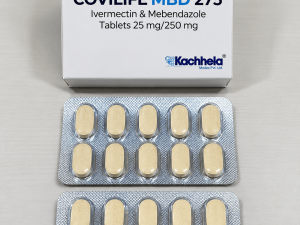

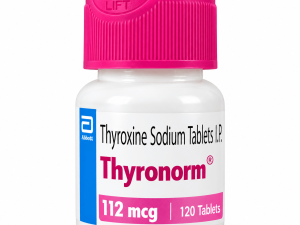




Product verification: Trazodone Hydrochloride USP 50 mg Tablets contain trazodone hydrochloride, an antidepressant medicine. The USP designation indicates a recognized pharmaceutical quality standard; it does not identify the manufacturer or establish a particular regulatory approval. Confirm the brand, manufacturer, immediate-release or modified-release formulation, pack size, and country-specific prescribing information before publishing.
What Are Trazodone Hydrochloride USP 50 mg Tablets?
Trazodone Hydrochloride USP 50 mg Tablets are prescription antidepressant medicines containing trazodone hydrochloride, a serotonin antagonist and reuptake inhibitor (SARI) used primarily for the treatment of major depressive disorder.
Major depressive disorder is a mental health condition characterized by persistent low mood, loss of interest in daily activities, reduced energy, changes in sleep or appetite, difficulty concentrating, and other emotional or physical symptoms.
Trazodone works by modifying serotonin signaling in the brain.
Serotonin is a neurotransmitter involved in mood regulation, sleep, emotional processing, and several other neurological functions.
Trazodone inhibits serotonin reuptake and blocks certain serotonin receptors, particularly 5-HT2A receptors.
It also has activity at histamine H1 and alpha-1 adrenergic receptors, which contributes to its sedating effects and some of its adverse reactions.
Because trazodone can cause sleepiness, healthcare professionals sometimes prescribe lower doses for insomnia. However, its use specifically for insomnia is off-label in the United States, and evidence does not support routine use as a first-line treatment for chronic insomnia.
Trazodone may help manage:
- Persistent depressive symptoms
- Low mood
- Loss of interest in activities
- Depression-related emotional difficulties
- Certain sleep disturbances associated with depression
- Anxiety symptoms occurring with depression
- Reduced daily functioning associated with depressive illness
The response to treatment varies between individuals.
Important: Trazodone Hydrochloride 50 mg is not a general sleeping pill or an immediate cure for depression. Its use requires an appropriate diagnosis, individualized dosing, and medical supervision.
How Do Trazodone Hydrochloride 50 mg Tablets Work?
1. Inhibit Serotonin Reuptake
Trazodone reduces the reuptake of serotonin into nerve cells.
This increases serotonin availability in the synaptic space between neurons.
2. Block Certain Serotonin Receptors
Trazodone acts as an antagonist at serotonin 5-HT2A receptors.
This activity contributes to its antidepressant pharmacological profile.
3. Support Mood Regulation
Serotonin signaling is involved in mood and emotional processing.
Trazodone may improve depressive symptoms through its effects on serotonin neurotransmission and longer-term neurological adaptations.
4. Produce Sedating Effects
Trazodone blocks histamine H1 receptors and has other receptor effects that can contribute to sleepiness.
Sedation may occur relatively soon after taking the medicine.
5. Influence Alpha-Adrenergic Activity
Trazodone blocks alpha-1 adrenergic receptors.
This contributes to certain pharmacological effects but can also cause dizziness and orthostatic hypotension.
6. Help Manage Depression-Related Sleep Disturbances
Some patients with depression may experience improved sleep as part of their treatment response.
However, trazodone is not universally appropriate for insomnia.
7. Provide Antidepressant Treatment
With consistent treatment at an appropriate prescribed dose, trazodone may help reduce symptoms of major depressive disorder.
Antidepressant effects generally require continued treatment over several weeks.
Uses of Trazodone Hydrochloride USP 50 mg Tablets
1. Major Depressive Disorder
Trazodone is indicated for the treatment of major depressive disorder.
It may help reduce persistent low mood, loss of interest, and other symptoms associated with depression.
2. Depression-Related Sleep Disturbances
Patients with depression may experience insomnia or disrupted sleep.
Trazodone’s sedating properties may be useful in selected patients, depending on the treatment plan.
3. Depression-Related Anxiety Symptoms
Some individuals with major depressive disorder experience anxiety, tension, or restlessness.
Trazodone may help manage these symptoms as the underlying depression responds to treatment.
4. Persistent Low Mood
Trazodone may help improve persistent depressive mood symptoms when used as prescribed.
5. Loss of Interest in Daily Activities
As depression improves, patients may regain interest in activities and experience better daily functioning.
6. Insomnia – Off-Label Use
Trazodone is sometimes prescribed at lower doses for insomnia.
However, this is an off-label use in the United States, and professional insomnia treatment guidelines generally do not recommend trazodone as a routine first-line treatment for chronic insomnia.
Cognitive behavioral therapy for insomnia (CBT-I) is generally preferred as an initial treatment for chronic insomnia.
7. Other Anxiety-Related Conditions – Off-Label Use
Healthcare professionals may occasionally consider trazodone for selected anxiety-related symptoms or conditions.
These uses depend on clinical judgment and should not be presented as universally approved indications.
8. Maintenance Treatment of Depression
Trazodone may be continued after depressive symptoms improve to help reduce relapse risk.
The duration of treatment depends on the patient’s diagnosis, previous episodes, response, and medical assessment.
Important: Trazodone 50 mg is not necessarily an adequate antidepressant dose when used alone. The prescribed regimen depends on the formulation, diagnosis, and individual response.
How to Take Trazodone Hydrochloride USP 50 mg Tablets
Trazodone should be taken exactly as prescribed by a healthcare professional.
Step-by-Step Administration Instructions
- Read the prescription and medicine information leaflet.
- Confirm the prescribed strength and dosage schedule.
- Swallow the tablet with water.
- For conventional immediate-release tablets, take the medicine shortly after a meal or light snack, as directed.
- Follow the prescribed administration schedule.
- Do not increase or reduce the dose independently.
- Avoid alcohol during treatment.
- Do not drive or operate machinery if experiencing sleepiness or dizziness.
- Do not discontinue treatment abruptly.
- Report unusual mood changes, fainting, or significant adverse effects.
Dosage Information
The appropriate trazodone dose depends on:
- Diagnosis
- Patient age
- Severity of symptoms
- Formulation
- Treatment response
- Liver and kidney function
- Concurrent medicines
- Tolerability
- Medical history
For immediate-release trazodone tablets, the commonly recommended adult starting dose for major depressive disorder in U.S. prescribing information is 150 mg per day in divided doses, with gradual adjustments based on clinical response and tolerability.
Lower doses may be prescribed in selected patients, particularly when sedation is a concern or when trazodone is used off-label for sleep.
A 50 mg tablet may be used as part of a larger prescribed daily regimen.
Important: Do not assume that one 50 mg tablet daily is the standard or sufficient dose for treating depression.
When Should Trazodone Be Taken?
The timing depends on the prescribed regimen.
Trazodone can cause sleepiness, so clinicians may schedule a larger portion of the daily dose at bedtime.
However, patients taking divided doses should follow their individual prescription.
Missed Dose
If a dose is missed, follow the product leaflet or healthcare professional’s instructions.
Do not take a double dose to compensate for a missed tablet.
Important Administration Instructions
- Take only as prescribed.
- Do not exceed the prescribed dose.
- Do not stop treatment abruptly.
- Avoid alcohol.
- Use caution with sedatives and other medicines that cause drowsiness.
- Report unusual dizziness or fainting.
- Seek urgent medical attention for prolonged or painful erections.
- Report worsening depression or suicidal thoughts.
- Inform your healthcare professional about all other medicines and supplements.
How Long Does Trazodone Hydrochloride 50 mg Take to Work?
Trazodone’s effects develop at different rates depending on the symptom being treated.
Sedating effects: Sleepiness may occur after the first dose, often within a few hours.
Depressive symptoms: Some patients may notice early improvement within one to two weeks.
Fuller antidepressant response: A more complete assessment often requires four to six weeks or longer at an appropriate therapeutic dose.
The response depends on:
- Prescribed dose
- Formulation
- Severity of depression
- Medication adherence
- Individual metabolism
- Concurrent treatments
- Overall health
Patients should not independently increase their dose if improvement is not immediate.
Common Side Effects
Possible side effects include:
- Drowsiness
- Sleepiness
- Dizziness
- Fatigue
- Dry mouth
- Nausea
- Constipation
- Headache
- Blurred vision
- Lightheadedness
- Nasal congestion
- Weakness
- Difficulty concentrating
- Orthostatic hypotension
- Gastrointestinal discomfort
Sedation and dizziness may be more noticeable when treatment is started or the dose is increased.
Serious Side Effects
Seek urgent medical attention if you experience:
- Suicidal thoughts or behaviors
- Severe agitation or unusual behavioral changes
- Fainting
- Irregular heartbeat
- Chest pain
- Severe confusion
- Seizures
- Severe allergic reactions
- Significant bleeding
- Symptoms of serotonin syndrome
- Prolonged or painful erection
Important Serious Adverse Reactions
Serotonin Syndrome: A potentially life-threatening reaction that may cause fever, agitation, confusion, tremors, muscle rigidity, sweating, and diarrhea.
QT Prolongation and Arrhythmias: Trazodone may affect cardiac electrical activity and cause serious heart rhythm disturbances in susceptible patients.
Orthostatic Hypotension and Syncope: Blood pressure may fall when standing, increasing the risk of dizziness and fainting.
Priapism: Trazodone has been associated with prolonged, painful erections. An erection lasting four hours or longer is a medical emergency because permanent tissue damage may occur.
Suicidal Thoughts and Behaviors: Antidepressants carry a warning about increased risk of suicidal thoughts and behaviors in children, adolescents, and young adults.
Hyponatremia: Low blood sodium may occur, especially in older adults and patients taking diuretics.
Abnormal Bleeding: Serotonergic antidepressants may increase bleeding risk, particularly with anticoagulants or antiplatelet medicines.
Mania or Hypomania: Antidepressant treatment may trigger manic symptoms in individuals with bipolar disorder.
Contraindications & Precautions
1. Allergy to Trazodone
Patients with known hypersensitivity to trazodone or other tablet ingredients should not take the medicine.
2. Suicidal Thoughts and Behavioral Changes
Patients should be monitored for worsening depression, suicidal thoughts, agitation, or unusual behavioral changes.
Monitoring is especially important when treatment begins or the dose changes.
3. Bipolar Disorder
Patients should be screened for bipolar disorder before starting antidepressant treatment.
Trazodone may trigger mania or hypomania in susceptible individuals.
4. Serotonin Syndrome
Trazodone may cause serotonin syndrome, particularly when combined with other serotonergic medicines.
5. Monoamine Oxidase Inhibitors
Trazodone must not be used together with certain monoamine oxidase inhibitors (MAOIs).
Appropriate washout periods are required when switching medicines.
6. Heart Rhythm Disorders
Trazodone may prolong the QT interval and increase the risk of arrhythmias.
Patients with significant cardiac conditions require careful assessment.
7. Low Blood Pressure
Trazodone may cause orthostatic hypotension.
Patients with low blood pressure or a history of fainting require caution.
8. Priapism
Patients should be informed about the risk of prolonged or painful erections.
Immediate medical treatment is necessary if an erection lasts four hours or longer.
9. Liver Impairment
Patients with liver disease may require additional monitoring or individualized treatment.
10. Kidney Impairment
Use cautiously in patients with significant kidney impairment.
11. Seizure Disorders
Patients with epilepsy or a history of seizures should inform their healthcare professional.
12. Glaucoma
Trazodone may increase the risk of angle-closure glaucoma in susceptible individuals.
13. Bleeding Disorders
Trazodone may increase bleeding risk when combined with certain medicines.
14. Pregnancy
Use during pregnancy requires individualized assessment of potential benefits and risks.
Patients should not discontinue prescribed antidepressant treatment without medical advice.
15. Breastfeeding
Trazodone and its metabolites may pass into breast milk.
A healthcare professional should evaluate the benefits and risks and determine whether infant monitoring is necessary.
16. Older Adults
Older adults may be more susceptible to:
- Dizziness
- Sedation
- Falls
- Orthostatic hypotension
- Hyponatremia
- Medication interactions
17. Medication Interactions
Potentially relevant medicines include:
- Monoamine oxidase inhibitors
- Linezolid
- Intravenous methylene blue
- Other antidepressants
- SSRIs and SNRIs
- Tramadol
- Fentanyl
- Triptans
- Lithium
- Buspirone
- St. John’s wort
- Warfarin
- Aspirin
- Ibuprofen
- Other NSAIDs
- Benzodiazepines
- Opioids
- Alcohol
- Certain QT-prolonging medicines
- Strong CYP3A4 inhibitors, such as clarithromycin and ketoconazole
- Strong CYP3A4 inducers, such as carbamazepine
Some combinations are contraindicated, while others require dose adjustments or monitoring.
18. Medical Monitoring
Healthcare professionals may monitor:
- Depressive symptoms
- Suicidal thoughts
- Sleepiness and sedation
- Blood pressure
- Orthostatic symptoms
- Heart rhythm when indicated
- Medication adherence
- Treatment response
- Signs of serotonin syndrome
- Symptoms of mania or hypomania
- Sodium levels when indicated
- Drug interactions
- Overall tolerability
Advantages
- Contains trazodone hydrochloride 50 mg.
- Belongs to the SARI antidepressant class.
- Used for major depressive disorder.
- Modulates serotonin signaling.
- May improve depressive symptoms.
- Has sedating properties that may be useful in selected patients.
- May help manage depression-related sleep disturbances.
- Available in oral tablet form.
- Can be incorporated into individualized antidepressant regimens.
- May be used as part of maintenance treatment.
- Provides an antidepressant option with a different pharmacological profile from SSRIs.
- May be suitable for selected patients when prescribed and monitored appropriately.
Disadvantages / Limitations
- Requires a prescription.
- Does not provide immediate antidepressant benefits.
- May cause significant sleepiness.
- May cause dizziness and fatigue.
- May increase fall risk.
- May cause orthostatic hypotension.
- May cause dry mouth.
- May cause nausea and constipation.
- May affect heart rhythm.
- May cause serotonin syndrome.
- May increase bleeding risk.
- May trigger mania in susceptible patients.
- May cause priapism.
- Requires monitoring for suicidal thoughts.
- May interact with other medicines.
- May cause discontinuation symptoms if stopped abruptly.
- Not recommended as routine first-line treatment for chronic insomnia.
- Not suitable for every patient.
Important Notes
Active Ingredient: Trazodone Hydrochloride.
Strength: 50 mg per tablet.
Pharmaceutical Standard: USP.
Drug Class: Serotonin Antagonist and Reuptake Inhibitor (SARI).
Primary Indication: Major Depressive Disorder.
Other Clinical Use: Insomnia management in selected patients, generally off-label in the United States.
Mechanism of Action: Serotonin reuptake inhibition and serotonin receptor antagonism.
Administration Route: Oral.
Formulation: Verify immediate-release or modified-release status.
Antidepressant Response: May take several weeks.
Sedation: Can cause significant drowsiness.
Blood Pressure Precaution: May cause orthostatic hypotension.
Cardiac Precaution: May cause QT prolongation and arrhythmias.
Priapism Warning: Prolonged or painful erections require urgent medical attention.
Suicidality Warning: Monitor for worsening mood or suicidal thoughts.
Discontinuation: Do not stop abruptly without medical advice.
Storage: Follow manufacturer instructions.
Frequently Asked Questions
1. What are Trazodone Hydrochloride USP 50 mg Tablets used for?
Trazodone Hydrochloride 50 mg Tablets contain an antidepressant used primarily to treat major depressive disorder. They are also sometimes prescribed off-label for insomnia.
2. What is the active ingredient in Trazodone 50 mg?
The active ingredient is trazodone hydrochloride 50 mg.
3. What does USP mean in Trazodone Hydrochloride USP?
USP refers to the United States Pharmacopeia, which establishes recognized pharmaceutical quality standards.
4. Is trazodone an antidepressant?
Yes. Trazodone is a serotonin antagonist and reuptake inhibitor (SARI) antidepressant.
5. Can trazodone help with sleep?
Trazodone can cause sedation and is sometimes prescribed off-label for insomnia. However, it is not generally recommended as a first-line treatment for chronic insomnia.
Reviews
There are no reviews yet.