



| Product Details | Information |
|---|---|
| Product Name | Mononate SP Combikit |
| Brand Name | Mononate SP |
| Generic Composition | Artesunate + Sulphadoxine + Pyrimethamine |
| Medicine Type | Combination Antimalarial Medicine |
| Dosage Form | Oral Combination Kit |
| Therapeutic Category | Antimalarial Medicines |
| Primary Use | Treatment of selected uncomplicated malaria infections |
| Drug Class | Artemisinin Derivative + Antifolate Antimalarials |
| Administration Route | Oral |
| Manufacturer | Verify from product packaging |
| Strength | Verify the individual component strengths on the pack |
| Pack Size | Verify from product packaging |
| Prescription Status | Prescription-Only Medicine |
| Storage | Store according to the manufacturer’s instructions, protected from heat and moisture |
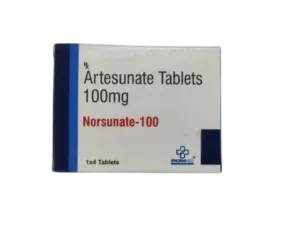
The exact manufacturer, tablet strengths, kit contents, and regulatory approval of Mononate SP have not been independently confirmed. The information below describes the artesunate, sulphadoxine, and pyrimethamine combination generally.
What Is Mononate SP Combikit?
Mononate SP Artesunate, Sulphadoxine and Pyrimethamine Combikit is described as a combination antimalarial medicine containing three active ingredients used to treat certain malaria infections.
Malaria is a potentially serious infectious disease caused by Plasmodium parasites transmitted through infected female Anopheles mosquitoes.
The combination contains:
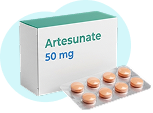
- Artesunate: An artemisinin derivative that rapidly reduces susceptible malaria parasites in the bloodstream.
- Sulphadoxine: An antifolate medicine that interferes with parasite folate synthesis.
- Pyrimethamine: An antimalarial medicine that inhibits parasite dihydrofolate reductase.
These ingredients act through complementary mechanisms to reduce susceptible malaria parasites.
Artesunate-based combination therapy is an important approach to malaria treatment. However, artesunate plus sulphadoxine-pyrimethamine is appropriate only where local treatment guidelines support it and parasite resistance does not make the regimen ineffective.
Important: This combikit is not suitable for every type of malaria. It should not be used to treat severe malaria, and it is not a substitute for urgent medical care.
How Does Mononate SP Combikit Work?
1. Rapid Antimalarial Action
Artesunate acts rapidly against susceptible malaria parasites in the blood.
2. Parasite Protein and Cellular Damage
Artesunate is converted to its active metabolite, dihydroartemisinin, which contributes to damage within susceptible parasites.
3. Inhibition of Folate Synthesis
Sulphadoxine interferes with an enzyme involved in parasite folate production.
4. Inhibition of Dihydrofolate Reductase
Pyrimethamine blocks parasite dihydrofolate reductase, another enzyme required for folate metabolism.
5. Complementary Antimalarial Activity
The combination targets malaria parasites through different mechanisms.
6. Reduction of Parasite Burden
Appropriate treatment can reduce susceptible malaria parasites in the bloodstream.
7. Support for Clinical Recovery
When the regimen is effective against the infecting parasite, treatment may help resolve fever and other malaria symptoms.
Uses of Mononate SP Combikit
1. Uncomplicated Falciparum Malaria
Artesunate plus sulphadoxine-pyrimethamine may be used for uncomplicated Plasmodium falciparum malaria in settings where the regimen remains recommended and effective.
2. Treatment of Susceptible Malaria Parasites
The combination may be effective against susceptible blood-stage malaria parasites.
3. Malaria-Associated Fever
Appropriate antimalarial treatment may help resolve fever caused by susceptible malaria infection.
4. Malaria-Associated Chills
Successful treatment may reduce chills and shivering associated with malaria.
5. Malaria-Associated Headache and Body Pain
Symptoms may improve as the infection responds to treatment.
6. Parasite Clearance
The combination is intended to reduce and clear susceptible blood-stage parasites.
7. Combination Antimalarial Therapy
The medicines provide complementary mechanisms of antimalarial activity.
8. Clinician-Directed Malaria Management
The combikit may be included in a treatment plan when its composition, dosage, and local effectiveness are appropriate.
Important: This combination does not reliably eliminate dormant liver-stage parasites of Plasmodium vivax or Plasmodium ovale. Those infections may require additional treatment after appropriate testing.
How to Take Mononate SP Combikit
Mononate SP must be taken only according to a qualified healthcare professional’s prescription.
General Administration Instructions
- Confirm the malaria diagnosis with appropriate testing.
- Verify the strengths and quantities of all medicines in the combikit.
- Follow the prescribed treatment schedule.
- Take the tablets with water as directed.
- Follow the product-specific instructions regarding food.
- Do not skip prescribed doses.
- Do not take extra doses without medical advice.
- Inform the doctor about allergies and existing medical conditions.
- Report persistent fever, vomiting, or worsening symptoms.
- Complete the prescribed regimen and any recommended follow-up.
Dosage Information
The dosage depends on:
- Patient age
- Body weight
- Malaria species
- Severity of infection
- Individual component strengths
- Local malaria treatment guidelines
- Pregnancy status
- Medical history
- Previous antimalarial treatment
Artesunate plus sulphadoxine-pyrimethamine has historically been administered using a short artesunate course together with a single sulphadoxine-pyrimethamine dose.
However, the correct schedule cannot be determined from the product name alone.
Do not assume that every combikit contains the same quantities or that every patient should take the entire kit.
Can Mononate SP Be Taken With Food?
Administration instructions depend on the exact product and prescribed regimen.
Follow the packaging instructions and the prescribing clinician’s advice.
What If a Dose Is Missed?
Contact the prescribing healthcare professional promptly for instructions.
Do not double the next dose.
What If Vomiting Occurs After a Dose?
Contact a healthcare professional because vomiting may interfere with absorption and treatment effectiveness.
Do not automatically repeat the dose.
How Long Does Mononate SP Take to Work?
Artesunate begins acting against susceptible malaria parasites relatively quickly.
Clinical improvement may become apparent within the first 24–48 hours of effective treatment.
However, the exact response depends on parasite susceptibility, infection severity, and patient factors.
Persistent fever, worsening symptoms, repeated vomiting, or new neurological symptoms require urgent medical assessment.
Common Side Effects
Possible side effects include:
- Nausea
- Vomiting
- Abdominal discomfort
- Loss of appetite
- Headache
- Dizziness
- Weakness
- Fatigue
- Mild skin rash
- Itching
Some symptoms may also be caused by malaria itself.
Potentially Harmful Effects & Serious Health Risks
1. Severe Skin Reactions
Sulphadoxine-pyrimethamine can cause potentially life-threatening skin reactions, including Stevens-Johnson syndrome and toxic epidermal necrolysis.
Seek emergency medical attention for blistering skin, peeling, painful rash, or sores in the mouth or eyes.
2. Severe Allergic Reactions
The medicine may cause serious hypersensitivity reactions, including anaphylaxis.
Symptoms may include facial swelling, breathing difficulty, and severe rash.
3. Blood Cell Disorders
Sulphadoxine-pyrimethamine may cause serious blood disorders, including agranulocytosis, aplastic anemia, and thrombocytopenia.
4. Liver Injury
Serious liver reactions, including hepatitis, may occur.
5. Kidney Injury
Sulphadoxine-containing medicines may cause kidney-related adverse effects in susceptible individuals.
6. Bone Marrow Suppression
Pyrimethamine can interfere with folate metabolism and may contribute to bone marrow suppression.
7. Hemolytic Anemia
Blood cell destruction may occur in certain circumstances and requires medical evaluation.
8. Neurological Symptoms
Dizziness, confusion, or other neurological symptoms require assessment, particularly because malaria itself can cause serious neurological complications.
9. Drug Interactions
The combination may interact with medicines such as methotrexate, trimethoprim-containing treatments, and other drugs that affect folate metabolism or blood cell production.
10. Treatment Failure Due to Resistance
Malaria parasites may be resistant to sulphadoxine-pyrimethamine in certain regions.
Using an ineffective regimen can delay recovery and increase the risk of severe malaria.
Contraindications & Safety Precautions
1. Sulfonamide Allergy
Patients with a history of serious sulfonamide hypersensitivity should not use sulphadoxine-containing medicines without specialist assessment.
2. Previous Severe Skin Reactions
Patients with a history of Stevens-Johnson syndrome or toxic epidermal necrolysis associated with these medicines must avoid re-exposure.
3. Pregnancy
The suitability of this combination during pregnancy depends on the trimester, malaria species, and local treatment guidelines.
Pregnant patients require urgent professional evaluation.
4. Breastfeeding
Use during breastfeeding requires medical assessment, particularly for very young infants or infants with specific health risks.
5. Infants and Children
The combination should only be used in children when appropriate for their age, weight, and the applicable treatment guidelines.
6. Liver Disease
Patients with significant liver disease may require alternative treatment or closer monitoring.
7. Kidney Disease
Patients with kidney impairment should inform their prescriber.
8. Blood Disorders
Patients with anemia, low blood cell counts, or bone marrow disorders may be at increased risk of complications.
9. Folate Deficiency
Pyrimethamine may worsen problems associated with folate deficiency.
10. Drug Interactions
Inform the healthcare professional about all prescription medicines, nonprescription medicines, and supplements.
11. Severe Malaria
Severe malaria is a medical emergency and requires urgent hospital treatment, usually with intravenous antimalarial therapy.
12. Malaria Resistance
The combination should not be used in regions where resistance makes it unsuitable.
13. Incomplete Treatment
Skipping doses or using an incorrect regimen may contribute to treatment failure.
14. Incorrect Diagnosis
Fever may result from many infections. Antimalarial treatment should be guided by appropriate diagnosis.
15. Persistent Symptoms
Patients with persistent fever or worsening symptoms require prompt medical reassessment.
16. Alcohol
Avoid alcohol if it worsens nausea, dizziness, or dehydration, and follow medical advice.
17. Driving and Machinery
Avoid driving if dizziness or impaired concentration occurs.
18. Medical Monitoring
Healthcare professionals may monitor:
- Malaria parasite levels
- Fever and clinical response
- Complete blood count
- Liver function
- Kidney function
- Skin reactions
- Medication tolerance
- Signs of treatment failure
- Hydration status
- Need for additional treatment
Advantages
- Combination antimalarial formulation.
- Contains three complementary active ingredients.
- Artesunate provides rapid antimalarial activity.
- Sulphadoxine and pyrimethamine inhibit parasite folate metabolism.
- May treat susceptible uncomplicated falciparum malaria.
- Oral administration.
- Short-course treatment approach.
- Multiple antimalarial mechanisms.
- May reduce malaria parasite burden.
- Can support clinical recovery when appropriately prescribed.
Disadvantages / Limitations
- Not appropriate for every malaria infection.
- Resistance may limit effectiveness.
- Not suitable for severe malaria.
- May cause nausea and vomiting.
- May cause serious allergic reactions.
- Risk of Stevens-Johnson syndrome.
- Risk of toxic epidermal necrolysis.
- May cause serious blood disorders.
- May cause liver injury.
- May cause kidney-related complications.
- May cause bone marrow suppression.
- Requires an accurate malaria diagnosis.
- Requires an appropriate weight-based regimen.
- May interact with other medicines.
- Requires caution during pregnancy.
- Does not eliminate dormant liver-stage malaria parasites.
- Requires medical supervision.
- Treatment failure can be dangerous.
Important Notes
Brand Name: Mononate SP.
Generic Composition: Artesunate + Sulphadoxine + Pyrimethamine.
Drug Class: Combination Antimalarial.
Therapeutic Category: Antimalarial Medicines.
Primary Use: Selected uncomplicated malaria infections.
Mechanism: Rapid antimalarial activity combined with inhibition of parasite folate metabolism.
Dosage: Depends on the exact kit contents, patient characteristics, and local guidelines.
Prescription Status: Prescription-Only Medicine.
Major Warning: Risk of severe skin reactions and serious blood disorders.
Resistance Warning: Effectiveness varies geographically.
Pregnancy Warning: Requires specialist assessment.
Severe Malaria Warning: Not a substitute for emergency hospital treatment.
Storage: Follow manufacturer instructions.
Frequently Asked Questions
1. What is Mononate SP Combikit used for?
It is described as a combination antimalarial medicine used for selected uncomplicated malaria infections when the parasites are susceptible.
2. What are the active ingredients in Mononate SP?
The stated ingredients are artesunate, sulphadoxine, and pyrimethamine.
3. Is Mononate SP an antimalarial medicine?
Yes. Its stated composition belongs to the antimalarial drug category.
4. How does Mononate SP work?
Artesunate acts rapidly against susceptible parasites, while sulphadoxine and pyrimethamine inhibit parasite folate metabolism.
5. Can Mononate SP treat falciparum malaria?
It may be used for uncomplicated falciparum malaria where local guidelines support the combination and resistance levels permit its use.
6. Can Mononate SP treat severe malaria?
No. Severe malaria requires urgent hospital-based treatment.
7. Does Mononate SP treat every type of malaria?
No. Treatment depends on the malaria species, severity, and local resistance patterns.
8. How quickly does Mononate SP work?
Effective treatment may begin reducing parasite burden rapidly, but clinical improvement varies.
9. Can Mononate SP cause nausea?
Yes. Nausea and vomiting are possible side effects.
10. Can Mononate SP cause skin reactions?
Yes. Serious and potentially life-threatening skin reactions may occur.
Reviews
There are no reviews yet.