






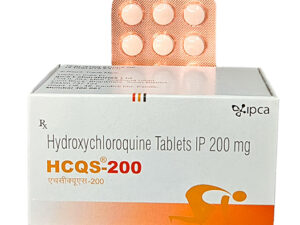
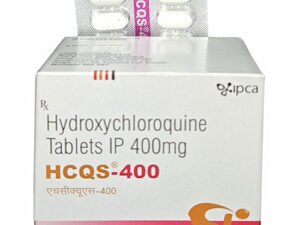
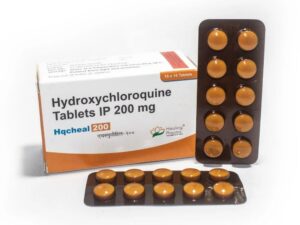



























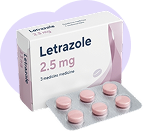














Product verification: Letrozole is commonly marketed as 2.5 mg tablets. A product listed as Letrozole 5 mg requires verification of the manufacturer, actual tablet strength, and regulatory approval. Two 2.5 mg tablets are not the same commercial presentation as one 5 mg tablet.
Important Safety Warning: Letrozole can cause fetal harm and must not be used during pregnancy. It may also reduce bone mineral density, increase cholesterol levels, and cause significant musculoskeletal symptoms. Treatment should be supervised by a qualified healthcare professional.
What Is Letrozole 5 mg?
Letrozole 5 mg refers to a proposed oral tablet formulation containing letrozole, a nonsteroidal aromatase inhibitor used primarily in hormone-sensitive breast cancer treatment.
Letrozole belongs to a group of medicines called aromatase inhibitors.
Aromatase is an enzyme responsible for converting certain hormones into estrogens.
In postmenopausal women, a substantial proportion of estrogen production occurs through aromatase activity in peripheral tissues.
Some breast cancers depend on estrogen signaling to grow and survive.
By inhibiting aromatase, letrozole significantly reduces circulating estrogen levels in postmenopausal women.
This helps slow or suppress the growth of hormone receptor-positive breast cancer cells.
Letrozole is widely used in endocrine therapy for selected patients with early-stage, locally advanced, or metastatic breast cancer.
It may also be prescribed off-label by fertility specialists to induce ovulation in selected patients.
However, the dosing, treatment duration, monitoring requirements, and clinical goals differ considerably between oncology and fertility treatment.
Common Reasons for Prescribing Letrozole
- Hormone receptor-positive breast cancer
- Early-stage breast cancer in postmenopausal women
- Extended adjuvant endocrine therapy
- Advanced breast cancer
- Metastatic hormone-sensitive breast cancer
- Breast cancer treatment after tamoxifen
- Reduction of estrogen production
- Long-term endocrine cancer management
- Selected ovulation induction treatment
- Polycystic ovary syndrome-related anovulatory infertility under specialist care
Important: The standard approved breast cancer dose is generally 2.5 mg once daily, not 5 mg. A 5 mg dose may be used in certain specialist-directed fertility protocols, but this does not establish 5 mg as the standard oncology dose.
How Does Letrozole Work?
1. Inhibits the Aromatase Enzyme
Letrozole selectively inhibits aromatase, an enzyme involved in estrogen production.
2. Reduces Estrogen Synthesis
Aromatase inhibition decreases the conversion of androgen precursors into estrogens.
3. Lowers Estrogen Levels
In postmenopausal women, letrozole substantially reduces circulating estrogen concentrations.
4. Reduces Hormonal Stimulation of Breast Cancer
Lower estrogen levels reduce stimulation of estrogen receptor-positive breast cancer cells.
5. Helps Slow Tumor Growth
Reducing estrogen signaling may slow the progression of hormone-dependent breast cancer.
6. Supports Adjuvant Endocrine Therapy
Letrozole may help reduce the risk of breast cancer recurrence after initial treatment.
7. Supports Advanced Breast Cancer Management
It may help control selected hormone-sensitive advanced or metastatic breast cancers.
8. Alters Hormonal Feedback in Fertility Treatment
In selected fertility protocols, temporary estrogen suppression can increase pituitary release of follicle-stimulating hormone.
9. Supports Follicular Development
The increase in follicle-stimulating hormone may promote ovarian follicle development in patients undergoing ovulation induction.
10. Produces Different Effects Depending on Treatment Context
In oncology, estrogen suppression is generally sustained through continuous therapy.
In fertility treatment, letrozole is typically administered for a short, carefully timed course under specialist supervision.
Uses of Letrozole 5 mg
1. Hormone Receptor-Positive Breast Cancer
Letrozole is used to treat selected estrogen receptor-positive or hormone receptor-positive breast cancers.
2. Early-Stage Breast Cancer
It may be prescribed as adjuvant endocrine therapy after surgery and other appropriate treatments in postmenopausal women.
3. Extended Adjuvant Breast Cancer Therapy
Letrozole may be used after previous endocrine treatment to reduce recurrence risk in selected patients.
4. Advanced Breast Cancer
It may be prescribed for hormone receptor-positive advanced breast cancer in postmenopausal women.
5. Metastatic Breast Cancer
Letrozole can help manage certain metastatic breast cancers that remain sensitive to hormonal treatment.
6. Breast Cancer Treatment After Tamoxifen
It may be prescribed after tamoxifen as part of a sequential endocrine therapy strategy.
7. Estrogen Suppression
Letrozole reduces estrogen synthesis through aromatase inhibition.
8. Long-Term Endocrine Cancer Therapy
It may be used over several years in selected breast cancer treatment plans.
9. Ovulation Induction
Letrozole is used off-label in some countries to stimulate ovulation in patients with anovulatory infertility.
10. Polycystic Ovary Syndrome (PCOS)-Related Infertility
Letrozole is a commonly recommended first-line pharmacological ovulation induction option for appropriately selected patients with PCOS-related anovulatory infertility.
11. Specialist-Directed Fertility Treatment
It may be included in fertility protocols requiring follicular monitoring and individualized treatment planning.
12. Selected Research and Off-Label Uses
Other uses should be distinguished from established approved indications and should not be advertised as routine treatments.
Important: Letrozole 5 mg should not be presented as an approved standard dose for breast cancer. The exact formulation and prescribed indication must be verified.
Letrozole 5 mg Dosage and Administration
The correct dose depends on the medical indication, treatment history, hormonal status, and specialist assessment.
General Dosage Information
| Treatment Context | General Information |
|---|---|
| Breast Cancer | Standard approved adult dose is generally 2.5 mg once daily |
| Listed Product Strength | 5 mg; verify that this tablet presentation exists |
| Ovulation Induction | Short-course regimens may use different doses, including 5 mg daily in selected protocols |
| Administration Route | Oral |
| With Food | May generally be taken with or without food |
| Treatment Duration for Cancer | Often several years, depending on treatment plan |
| Treatment Duration for Fertility | Short, cycle-specific treatment under specialist supervision |
| Dose Adjustments | Based on clinical circumstances and product labeling |
| Medical Supervision | Required |
Important: A 5 mg fertility regimen must not be confused with a 5 mg breast cancer regimen. Patients should never select or change their own letrozole dose.
How to Take Letrozole Tablets
- Take letrozole only as prescribed.
- Confirm the tablet strength before starting treatment.
- Follow the dosing schedule provided by the treating specialist.
- Swallow the tablet with water.
- Letrozole may generally be taken with or without food.
- For continuous treatment, take it at approximately the same time each day.
- Do not increase the dose independently.
- Do not use a fertility treatment schedule for breast cancer therapy.
- Do not use an oncology schedule for ovulation induction.
- Inform the prescriber about all current medicines and supplements.
- Attend recommended follow-up appointments.
- Report persistent or severe side effects.
- Follow bone health monitoring recommendations when applicable.
- Avoid pregnancy during treatment.
What If a Dose Is Missed?
For continuous breast cancer treatment, take the missed dose when remembered unless it is nearly time for the next dose.
Do not double the dose.
For fertility treatment, contact the fertility specialist because timing within the menstrual cycle may be important.
Can Letrozole Be Taken With Food?
Yes.
Letrozole tablets may generally be taken with or without food.
Can Letrozole Be Stopped Suddenly?
Do not independently discontinue prescribed breast cancer endocrine therapy.
Treatment interruption or discontinuation should be discussed with the oncology team.
For fertility treatment, follow the prescribed short-course schedule exactly.
How Long Does Letrozole Take to Work?
Letrozole begins inhibiting aromatase after administration.
However, the clinical response depends on the condition being treated.
In Breast Cancer Treatment
Estrogen suppression occurs relatively quickly, but anticancer outcomes are evaluated over weeks, months, and longer treatment periods.
The goal may be to reduce recurrence risk, control disease, or delay progression.
In Fertility Treatment
Letrozole may promote follicular development during a prescribed menstrual cycle.
Ovulation timing varies between patients and may require ultrasound or hormonal monitoring.
Important: Letrozole does not guarantee successful pregnancy or cancer remission.
Common Side Effects
Possible side effects include:
- Hot flashes
- Joint pain
- Muscle pain
- Fatigue
- Headache
- Dizziness
- Nausea
- Increased sweating
- Weakness
- Bone pain
- Sleep disturbances
- Hair thinning
- Reduced appetite
- Weight changes
- Mild swelling
- Elevated cholesterol levels
Side effects may vary according to treatment duration, hormonal status, and individual susceptibility.
Potentially Harmful Effects & Serious Health Risks
1. Reduced Bone Mineral Density
Long-term estrogen suppression may accelerate bone loss.
2. Osteoporosis
Letrozole can increase osteoporosis risk, particularly during prolonged therapy.
3. Bone Fractures
Reduced bone density may increase fracture risk.
4. Elevated Cholesterol
Letrozole may increase serum cholesterol concentrations.
5. Cardiovascular Complications
Patients with cardiovascular risk factors may require additional assessment and monitoring.
6. Severe Joint Pain
Persistent arthralgia may affect mobility and treatment adherence.
7. Severe Muscle Pain
Myalgia may become troublesome in some patients.
8. Liver Function Abnormalities
Elevated liver enzymes and rare clinically significant liver injury may occur.
9. Serious Allergic Reactions
Rare hypersensitivity reactions may cause swelling, rash, or breathing difficulty.
10. Severe Skin Reactions
Rare serious skin reactions have been reported.
11. Fetal Harm
Letrozole can harm a developing fetus.
12. Pregnancy Loss Risk
Exposure during an established pregnancy is unsafe.
13. Dizziness and Impaired Alertness
Some patients may experience dizziness or fatigue that affects driving or machinery use.
14. Ovarian Hyperstimulation-Related Complications
When used for fertility treatment, excessive ovarian response can occur, although severe ovarian hyperstimulation syndrome is uncommon with letrozole alone.
15. Multiple Pregnancy
Ovulation induction may increase the likelihood of multiple pregnancy compared with spontaneous conception.
16. Ovarian Cyst Development
Follicular or ovarian cysts may occur during fertility treatment.
Emergency warning: Seek urgent medical attention for chest pain, sudden weakness, difficulty speaking, severe allergic reactions, or other potentially life-threatening symptoms.
Contraindications & Safety Precautions
1. Hypersensitivity to Letrozole
Do not use letrozole if allergic to the medicine or its ingredients.
2. Pregnancy
Letrozole is contraindicated during pregnancy because it can cause fetal harm.
3. Breastfeeding
Breastfeeding is not recommended during treatment or for at least three weeks after the final dose.
4. Premenopausal Hormonal Status
For breast cancer treatment, letrozole is generally indicated for postmenopausal patients.
Premenopausal patients may require a different treatment strategy, including ovarian suppression when clinically appropriate.
5. Osteoporosis
Patients with osteoporosis require careful assessment before long-term therapy.
6. Bone Mineral Density Monitoring
Bone density testing may be recommended before and during prolonged treatment.
7. High Cholesterol
Patients with elevated cholesterol may require monitoring and treatment.
8. Cardiovascular Disease
Patients with cardiovascular conditions should inform their healthcare professional.
9. Liver Impairment
Severe liver impairment may require dose modification or additional monitoring.
10. Kidney Impairment
Patients with significant renal impairment should be assessed individually.
11. Joint Disorders
Patients with existing joint pain or arthritis may experience worsening musculoskeletal symptoms.
12. Fertility Treatment Monitoring
Ovulation induction should be managed by a qualified fertility specialist.
13. Pregnancy Testing Before Fertility Treatment
Pregnancy should be excluded before initiating a letrozole ovulation induction cycle.
14. Contraception During Oncology Treatment
Patients who can become pregnant should use effective contraception during letrozole treatment and for at least three weeks after the final dose.
15. Pediatric Use
Letrozole is not routinely approved for pediatric use.
16. Older Adults
Older patients may require monitoring for bone health, cardiovascular risk, and treatment tolerance.
17. Drug Interactions
Potentially important interactions include:
- Tamoxifen: May reduce letrozole concentrations and is generally not used concurrently unless specifically directed.
- Estrogen-Containing Medicines: May counteract letrozole’s estrogen-suppressing effects.
- Hormone Replacement Therapy: May interfere with intended treatment effects.
- Other Hormonal Medicines: Require review for potential interactions.
- CYP-Metabolized Medicines: Clinically relevant interactions should be assessed individually.
18. Alcohol
Alcohol may worsen dizziness or fatigue in some patients.
19. Driving and Machinery
Patients experiencing dizziness, weakness, or fatigue should avoid activities requiring full alertness.
20. Medical Monitoring
Healthcare professionals may monitor:
- Bone mineral density
- Cholesterol levels
- Liver function
- Kidney function when indicated
- Joint and muscle symptoms
- Cardiovascular risk
- Treatment adherence
- Breast cancer response
- Disease recurrence
- Hormonal status
- Pregnancy status when relevant
- Ovarian follicle development during fertility treatment
- Treatment-related adverse effects
Advantages
- Oral aromatase inhibitor therapy.
- Effective estrogen suppression.
- Established role in hormone receptor-positive breast cancer.
- Supports adjuvant endocrine treatment.
- May reduce breast cancer recurrence risk.
- Used in selected advanced breast cancers.
- May delay progression of hormone-sensitive disease.
- Oral administration.
- May be taken with or without food.
- Established mechanism of action.
- May be used in specialist-directed ovulation induction.
- Recognized treatment option for PCOS-related anovulatory infertility.
- Supports individualized hormonal treatment.
Disadvantages / Limitations
- Can cause joint pain.
- May cause muscle pain.
- May cause hot flashes.
- May cause fatigue.
- May reduce bone mineral density.
- May increase osteoporosis risk.
- May increase fracture risk.
- May elevate cholesterol levels.
- May cause headaches.
- May cause dizziness.
- May cause nausea.
- May cause hair thinning.
- May cause sleep disturbances.
- May affect cardiovascular risk.
- Can cause fetal harm.
- Must not be used during pregnancy.
- Requires medical monitoring.
- Is not appropriate for every breast cancer type.
- Does not guarantee cancer remission.
- Does not guarantee successful ovulation or pregnancy.
- The 5 mg tablet presentation requires verification.
- The standard oncology dose is generally 2.5 mg daily.
Important Notes
Generic Name: Letrozole.
Product Name: Letrozole 5 mg Tablets.
Listed Strength: 5 mg; verify the exact tablet formulation.
Drug Class: Nonsteroidal Aromatase Inhibitor.
Therapeutic Category: Oncology / Hormonal Anticancer Medicine.
Primary Use: Hormone receptor-positive breast cancer in postmenopausal women.
Additional Use: Specialist-directed ovulation induction.
Mechanism: Inhibition of aromatase and reduction of estrogen synthesis.
Administration Route: Oral.
Reference Brand: Femara.
Standard Breast Cancer Dose: Generally 2.5 mg once daily.
Major Warning: Can cause fetal harm and should not be used during pregnancy.
Common Side Effects: Hot flashes, joint pain, fatigue, and headache.
Serious Risks: Bone loss, fractures, and other clinically significant adverse effects.
Pregnancy: Contraindicated.
Breastfeeding: Not recommended during treatment or for at least three weeks afterward.
Pediatric Use: Not routinely approved.
Monitoring: Bone health, cholesterol, treatment response, and adverse effects.
Prescription Status: Prescription Medicine.
Storage: Follow manufacturer instructions.
Frequently Asked Questions
1. What is Letrozole 5 mg used for?
Letrozole is used primarily for hormone receptor-positive breast cancer in postmenopausal women. It is also used off-label for ovulation induction in selected patients.
2. What is the generic name of Femara?
The generic name is letrozole.
3. Is Letrozole a chemotherapy medicine?
No. Letrozole is a hormonal anticancer medicine called an aromatase inhibitor.
4. How does Letrozole work?
It inhibits the aromatase enzyme, reducing estrogen production.
5. Is Letrozole used for breast cancer?
Yes. Letrozole is an established endocrine treatment for selected hormone receptor-positive breast cancers.
6. Is Letrozole 5 mg the standard breast cancer dose?
No. The standard approved breast cancer dose is generally 2.5 mg once daily.
7. Can Letrozole be used for fertility treatment?
Yes. It is used off-label in some countries for ovulation induction under specialist supervision.
8. Can Letrozole help patients with PCOS?
Yes. Letrozole is a commonly recommended ovulation induction medicine for selected patients with PCOS-related anovulatory infertility.
9. Does Letrozole guarantee pregnancy?
No. Treatment success depends on multiple fertility-related factors.




Phoenix (verified owner) –
My go-to product for staying healthy during flu season.
Kai (verified owner) –
Perfect for fighting off viral symptoms early. Highly recommend!