
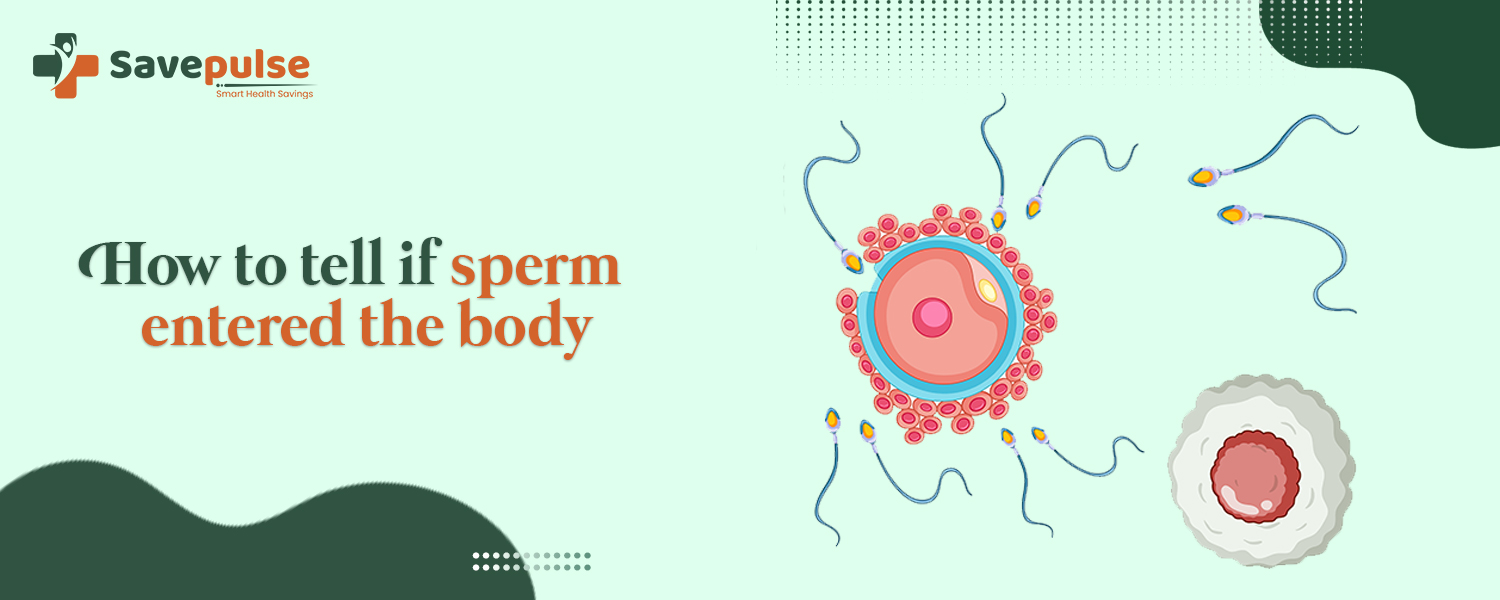
How to Know If Sperm Went Inside: Signs, Process & Pregnancy Chances
Couples trying to get pregnant—or trying to avoid it—often have one common question: “How can I know if sperm went inside?”
If you’ve ever wondered the same, this article will help. We’ll explain how sperm travels inside the body, what signs may show it has entered, how to confirm it, and what it means for pregnancy chances.
How Sperm Travels Inside the Body
1. During Intercourse
When a man ejaculates during vaginal sex, semen (which contains sperm) is released into the vaginal canal.
From there, the sperm swim through the cervix and into the uterus, aiming to reach the fallopian tubes where an egg may be waiting for fertilization.
This entire process is very quick — it can happen within minutes of ejaculation.
Quick Fact: The first sperm that reach the fallopian tubes are usually not the ones that fertilize the egg.
2. The Role of Cervical Mucus
Cervical mucus is a fluid made by the cervix that changes during a woman’s menstrual cycle.
It plays a big role in fertility by helping sperm survive and move.
- During ovulation, this mucus becomes thin, clear, and slippery, helping sperm swim more easily.
- Outside of ovulation, it becomes thicker, making it harder for sperm to travel through the uterus.
Signs That Sperm May Have Entered
Here are some signs that suggest sperm might have gone inside the vagina:
1. Physical Sensations
Some women feel mild sensations when the sperm is released, such as:
- A slight pressure or fullness in the vagina during ejaculation
- A warm or tingling feeling
However, not everyone feels this — it’s completely normal if you don’t.
2. Changes in Vaginal Discharge
After sex, some women notice changes in their vaginal discharge.
This happens because of semen mixing with cervical mucus.
The discharge may look:
- Slippery or clear
- Cloudy or white
- Slightly thicker than usual
These changes are normal and may vary from woman to woman.
3. Semen Leakage After Sex
It’s very common to see or feel a white or clear fluid leaking from the vagina minutes or hours after intercourse.
This is semen coming out of the vaginal canal — not all of it stays inside.
Leakage doesn’t mean sperm didn’t enter; it’s just a normal body response.
Can You Feel Sperm Entering the Body?
Usually, no. Most women can’t feel sperm moving inside their body because sperm are microscopic.
Any sensations felt are due to ejaculation pressure or vaginal muscle contractions, not the sperm itself.
So, even if you don’t feel anything, sperm may still have entered.
How to Confirm If Sperm Went Inside
Here are two main ways to check:
1. Home Observations
- Check for leakage: If you notice white or clear fluid after sex, sperm was likely released into the vagina.
- Observe discharge: If the texture or amount of discharge changes the next day, it could indicate semen was present.
These methods are not 100% reliable, but they can give you an idea.
2. Medical Confirmation
If you’re unsure or need confirmation, medical tests can help:
- Pregnancy Test:
If you’re trying to conceive (or avoid pregnancy), use a home pregnancy test after 10–14 days of sex. It’s easily available at pharmacies and online. - Sperm Detection Test:
Some labs can test for the presence of sperm in vaginal fluids, but this is rarely necessary. Pregnancy tests are usually more accurate and convenient. - Visit a Doctor:
If you want a confirmed answer or have concerns, visit a gynecologist. They can perform medical tests to see if sperm entered or if conception occurred.
Chances of Pregnancy If Sperm Went Inside
The chances of getting pregnant depend on timing in the menstrual cycle:
- During Ovulation:
The chances of pregnancy are highest — about 20–30% per cycle. - Outside the Fertile Window:
Pregnancy is less likely, but still possible. Sperm can live inside the body for up to 5 days, waiting for an egg to be released.
The fertile window usually includes the 5 days before ovulation, the ovulation day itself, and the next day.
What to Do After Unprotected Sex
If you had unprotected sex and don’t want to get pregnant, here’s what to do:
- See a Doctor:
It’s best to consult a healthcare provider before taking any step on your own. They can guide you safely. - Use Emergency Contraception (Morning-After Pill):
If taken within 72 hours (3 days) after sex, it can help prevent pregnancy.
It’s not effective if taken too late or after a confirmed pregnancy — in that case, medical help is needed.
Conclusion
Now you know how to tell if sperm might have entered your body. Some people may feel it, while others won’t — both are completely normal.
Remember, sperm movement is invisible to the eye and usually not felt. The only reliable way to confirm if sperm entered (and caused pregnancy) is through a pregnancy test or medical checkup.
Understanding these signs can help you make informed choices — whether you’re trying to conceive or avoid pregnancy.
For more health-related articles and reliable information, keep visiting arrowmeds.com.
FAQs
1. Can you feel sperm inside?
Most women cannot feel sperm inside. Some may feel ejaculation pressure, but not the sperm movement itself.
2. Can sperm survive outside the body?
Outside the body, sperm die within minutes. Inside the vagina, they can live for up to 5 days.
3. Does the withdrawal method work?
Not completely. The pull-out method is risky because pre-ejaculate fluid can contain sperm, which may still cause pregnancy.
4. What are the first signs of pregnancy?
Early signs include missed periods, nausea, fatigue, and breast tenderness, which usually appear 1–2 weeks after conception.
5. Can you feel pregnant right after sex?
No. Pregnancy doesn’t happen instantly. Signs appear only after implantation, about 6–12 days after fertilization.

