Can You Eat Eggs While Taking Levofloxacin?
Introduction
Levofloxacin is a common and effective antibiotic used to treat bacterial infections such as urinary tract infections, skin infections, and respiratory infections. While it works well, some foods can affect how this medicine is absorbed in the body. Many people often ask: Can I eat eggs while taking levofloxacin?
Let’s look at the answer, how levofloxacin works, and which foods you should avoid.
How Levofloxacin Works
Levofloxacin belongs to a group of antibiotics called fluoroquinolones. It works by blocking certain enzymes (DNA gyrase and topoisomerase IV) that bacteria need to grow and multiply. By stopping this process, levofloxacin kills the bacteria and clears the infection.
Eggs and Levofloxacin – Is There Any Interaction?
Some minerals like iron, calcium, magnesium, and zinc can reduce the absorption of levofloxacin. They bind to the medicine in the stomach and stop it from entering the blood properly.
Eggs contain proteins, vitamins, and small amounts of minerals. However, the calcium and other minerals in eggs are very low compared to dairy products. This means eggs are unlikely to interfere with levofloxacin.
Can You Eat Eggs While Taking Levofloxacin?
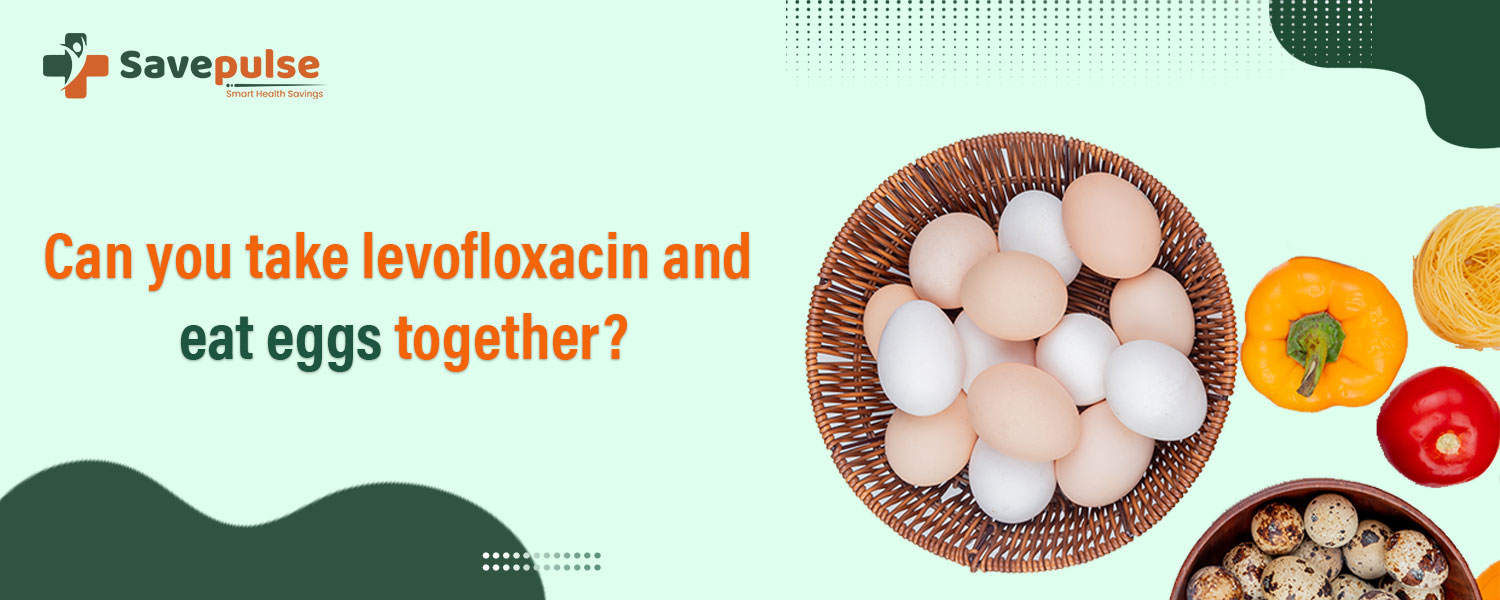
Yes, you can eat eggs while taking levofloxacin. There is no evidence that eggs reduce its effectiveness.
To be extra safe, eat eggs 2 hours before or after your medicine. This timing helps the antibiotic work better without any chance of reduced absorption.
Foods to Avoid While Taking Levofloxacin
While eggs are safe, some foods and supplements can interfere with levofloxacin:
- Dairy Products – Milk, cheese, and yoghurt contain calcium that may block absorption.
- Multivitamins – They often contain minerals like iron or zinc, which may interact.
- Mineral Supplements – Avoid supplements with magnesium, zinc, or iron near your dose.
- Antacids – Antacids with magnesium or aluminum can reduce absorption.
- Calcium-rich Foods/Juices – Large amounts of calcium-rich foods or fortified juices can also affect the drug.
Best Practices for Taking Levofloxacin
To get the best results, follow these tips:
- Take levofloxacin at the same time daily to maintain steady levels in your body.
- Stay hydrated by drinking enough water.
- Avoid dairy, supplements, or antacids close to your medicine time.
- Watch out for side effects such as tendon pain or unusual symptoms and inform your doctor if needed.
- Complete the full course of antibiotics, even if you feel better early.
Recommended Levofloxacin Products at Savepulse
- LQuin 250 mg (Levofloxacin) – Just $0.26 / Tablet
- LQuin 500 mg (Levofloxacin) – Just $0.34 / Tablet
- LQuin 750 mg (Levofloxacin) – Just $0.75 / Tablet
Conclusion
Eating eggs while taking levofloxacin is safe and won’t reduce the medicine’s effectiveness. To be careful, eat them at least 2 hours before or after your dose.
Avoid foods and supplements high in calcium, magnesium, iron, or zinc since they can block absorption. Always follow your doctor’s advice and finish the full course of treatment.
FAQs
Q: Do eggs reduce the effectiveness of levofloxacin?
A: No, eggs do not interfere with levofloxacin.
Q: Can I drink milk or eat cheese while taking levofloxacin?
A: Avoid dairy products near your dose because they can reduce absorption.
Q: Can I take levofloxacin with coffee or tea?
A: Yes, coffee or tea won’t affect the medicine.
Q: What happens if I accidentally eat dairy with levofloxacin?
A: It may slightly reduce absorption. Try to take the medicine 2 hours before or after dairy next time.

