What Is Constipation?
Constipation is a digestive problem where your bowel does not empty properly. After digestion, waste should leave the body as stool. If it doesn’t, it causes constipation.
Constipation can happen in different stages:
- Everyday passage constipation: Stool passes daily but is hard and difficult to pass.
- Time-taking passage constipation: Stool is hard to pass, and you may need to spend a long time in the toilet. Sometimes, you need multiple trips a day.
- Pelvic muscle congestion constipation: Stiff pelvic muscles make it very difficult to pass stool. This is a serious condition that may need medical attention.
Your stool can also indicate your digestive health. Stool tests can help identify the type of constipation.
Causes of Constipation
Common reasons for constipation include:
- Not drinking enough water: Water is needed for digestion. Without it, stools can become hard.
- Unhealthy diet: Eating too much processed or cooked food and skipping natural foods like fruits and vegetables can slow digestion.
- Medications: Some medicines can cause constipation as a side effect. Always consult a doctor if this happens.
- Pregnancy: Reduced movement and dietary changes during pregnancy can cause constipation.
- Stress: Stress slows digestion and may lead to constipation.
- Change in environment: Moving to a new city, job, or schedule can temporarily affect your digestion.
- Age: Digestive systems slow down with age, increasing the risk of constipation.
- Lifestyle: Sedentary habits and poor routines can contribute to constipation.
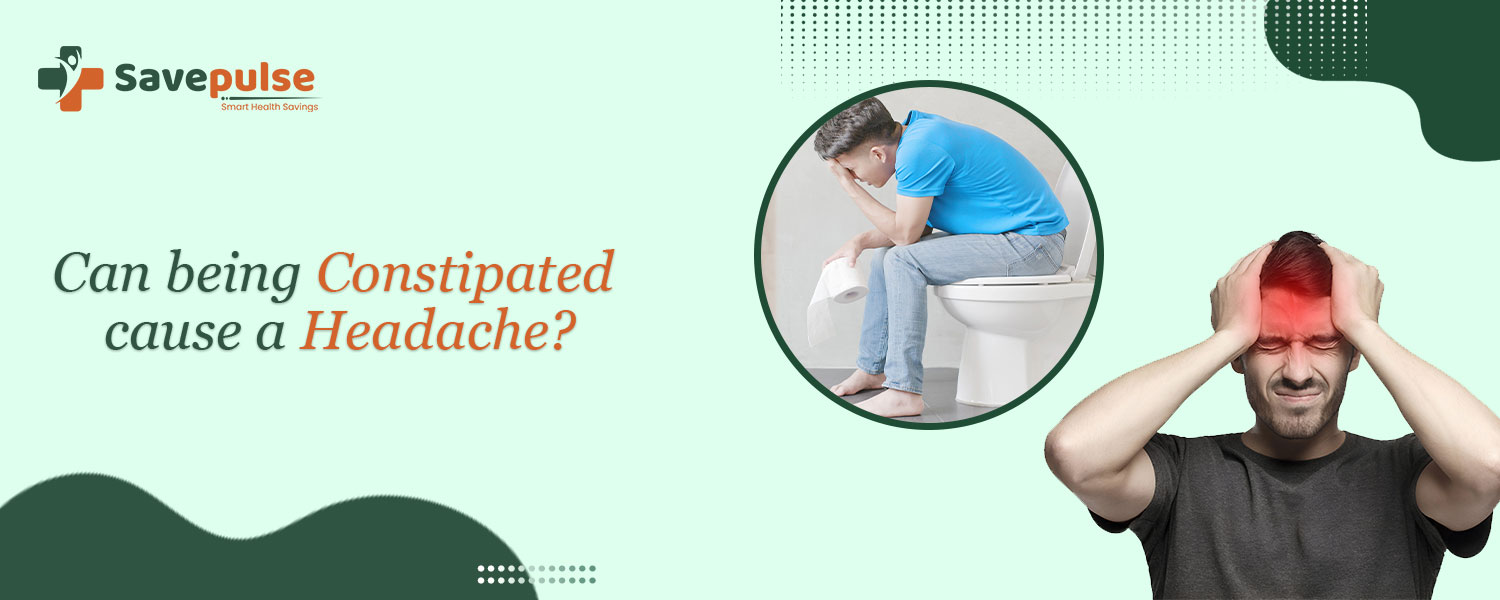
Can Constipation Cause Headaches?
Yes. Constipation can lead to headaches due to:
- Toxin buildup in the body
- Dehydration
- Gut-brain imbalances
When stool stays in the intestines for too long, gas and inflammation can reach the head, causing pain. Low blood sugar from poor diet can also trigger headaches.
Can Headaches Cause Constipation?
Yes, sometimes headaches can affect bowel movements:
- Migraine attacks: Slow down digestion, leading to constipation.
- Fibromyalgia: Pain can affect bowel function.
- Menstruation: Women may experience both headaches and constipation during their period.
How to Treat Severe Constipation Quickly
You can try lifestyle changes, but for fast relief, medicines are often needed:
- Dulcoflex 5mg or 10mg (Bisacodyl) – tablets or suppositories
- Movicol (Polyethylene Glycol) – sachets
Always consult a doctor if constipation persists.
How to Treat Headaches Quickly
Headaches can be treated at home or with medication:
- Home remedies: Hot/cold shower, rest in a dark room, massage
- Medicines: Paracetamol (Calpol), Ibuprofen (Brufen), Aspirin (Ecosprin)
Preventing Constipation and Headaches
- Drink plenty of water
- Eat a balanced diet with fiber-rich foods
- Stay active and exercise regularly
- Take medications only if necessary and check side effects
- Manage stress
Conclusion
Constipation and headaches may not be life-threatening, but they can disrupt daily life. The best approach is prevention—maintain a healthy diet, drink enough water, stay active, and manage stress. Home remedies and medicines can help, but healthy habits are key to avoiding both conditions.

