













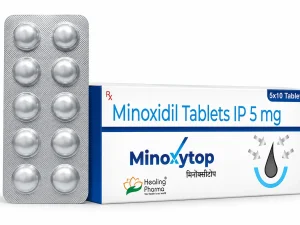




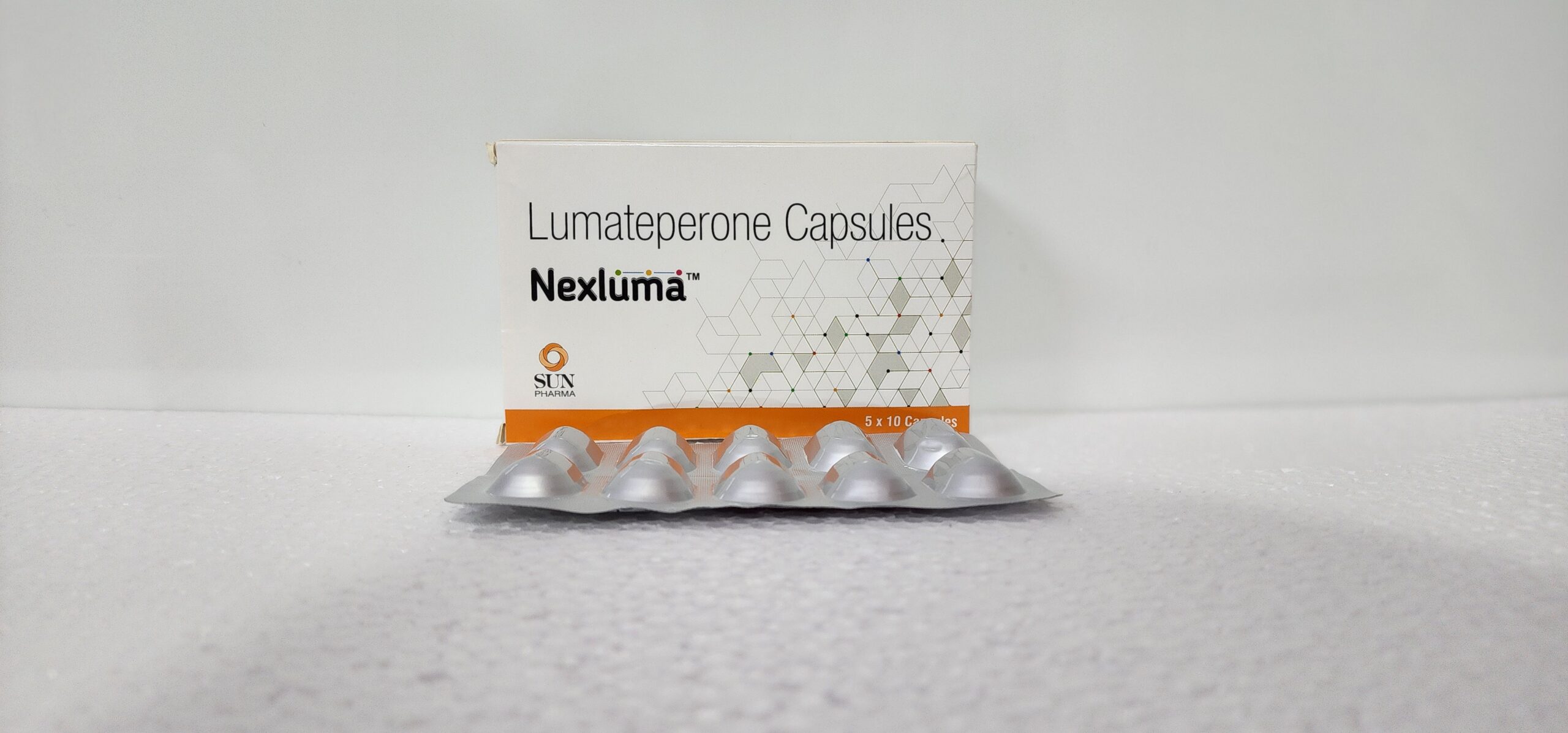
Product verification: Lumateperone 42 mg is commonly supplied as an oral capsule, not a conventional tablet. The reference brand is Caplyta. Confirm the exact dosage form, manufacturer, packaging, and regulatory approval before publishing the product listing.
What Is Lumateperone 42 mg?
Lumateperone 42 mg Capsules contain lumateperone, a prescription atypical antipsychotic medicine used in the management of certain psychiatric conditions, including schizophrenia and depressive episodes associated with bipolar disorder.
Lumateperone affects neurotransmitter signaling in the brain, particularly serotonin and dopamine pathways.
These neurotransmitters play important roles in mood regulation, emotional processing, perception, thinking, motivation, and behavior.
Schizophrenia is a chronic psychiatric disorder that may involve hallucinations, delusions, disorganized thinking, reduced motivation, and difficulties with daily functioning.
Bipolar disorder is characterized by episodes of depression and mania or hypomania. Depressive episodes may involve persistent sadness, low energy, loss of interest, changes in sleep, and impaired concentration.
Lumateperone has a distinctive pharmacological profile involving serotonin 5-HT2A receptor antagonism, dopamine D2 receptor modulation, and effects on glutamatergic neurotransmission.
It is also approved as adjunctive treatment with antidepressants for major depressive disorder in adults.
Lumateperone may help manage:
- Hallucinations associated with schizophrenia
- Delusions
- Disorganized thinking
- Certain schizophrenia-related behavioral symptoms
- Depressive symptoms associated with bipolar disorder
- Low mood
- Reduced interest in daily activities
- Certain symptoms of major depressive disorder when used with an antidepressant
The clinical response varies between individuals.
Important: Lumateperone does not cure schizophrenia or bipolar disorder. It is a prescription treatment that requires medical assessment and ongoing monitoring.
How Does Lumateperone 42 mg Work?
1. Block Serotonin 5-HT2A Receptors
Lumateperone acts as an antagonist at serotonin 5-HT2A receptors.
This contributes to its antipsychotic pharmacological activity.
2. Modulate Dopamine D2 Receptors
Lumateperone interacts with dopamine D2 receptors.
Its effects on dopamine signaling are believed to contribute to its therapeutic activity in schizophrenia.
3. Influence Serotonin and Dopamine Balance
Lumateperone affects multiple neurotransmitter pathways involved in psychiatric symptoms.
Its overall mechanism differs from that of many conventional antipsychotic medicines.
4. Influence Glutamatergic Signaling
Lumateperone has indirect effects on glutamatergic neurotransmission.
The precise contribution of these effects to its clinical benefits is not fully established.
5. Help Manage Psychotic Symptoms
By modifying neurotransmitter activity, lumateperone may reduce hallucinations, delusions, and other symptoms associated with schizophrenia.
6. Support Psychiatric Symptom Management
When prescribed appropriately, lumateperone may help improve psychiatric symptoms and associated daily functioning.
The exact mechanism responsible for its therapeutic effects is not completely understood.
Uses of Lumateperone 42 mg
1. Schizophrenia
Lumateperone is used to treat schizophrenia in adults.
It may help reduce positive symptoms such as hallucinations and delusions.
2. Hallucinations
Lumateperone may help manage hallucinations associated with schizophrenia.
3. Delusions
The medicine may reduce the severity of delusional thinking in responsive patients.
4. Disorganized Thinking
Lumateperone may improve certain symptoms of disorganized thinking associated with schizophrenia.
5. Adjunctive Treatment of Major Depressive Disorder
In the United States, lumateperone is approved for use alongside an antidepressant to treat major depressive disorder in adults.
It is not approved as a standalone treatment for major depressive disorder.
6. Ongoing Psychiatric Treatment
Lumateperone may be continued as part of an individualized psychiatric treatment plan when the prescriber determines that the benefits outweigh the risks.
Important: Lumateperone is not approved to treat dementia-related psychosis in older adults. It is also not established as a treatment for acute manic episodes.
How to Take Lumateperone 42 mg Capsules
Lumateperone should be taken exactly as prescribed by a healthcare professional.
Step-by-Step Administration Instructions
- Read the prescription and medicine information leaflet.
- Confirm the prescribed dose and capsule formulation.
- Take the medicine orally according to the prescribed schedule.
- Lumateperone may be taken with or without food.
- Swallow the capsule whole unless the specific product labeling provides another approved administration method.
- Take the medicine consistently.
- Do not increase or reduce the dose independently.
- Do not discontinue treatment without consulting the prescribing clinician.
- Report unusual sleepiness, dizziness, muscle symptoms, or behavioral changes.
- Attend regular psychiatric follow-up appointments.
Dosage Information
For adults, the commonly recommended dose of lumateperone is:
| Indication | Common Recommended Adult Dose |
|---|---|
| Schizophrenia | 42 mg once daily |
| Bipolar I Depression | 42 mg once daily |
| Bipolar II Depression | 42 mg once daily |
| Adjunctive Treatment of Major Depressive Disorder | 42 mg once daily with an antidepressant |
Dose adjustments may be necessary in patients with hepatic impairment or when lumateperone is taken with certain interacting medicines.
Lumateperone generally does not require gradual dose titration when used according to approved prescribing information.
Important: The recommended dose may differ depending on liver function, interacting medicines, and country-specific labeling. Do not change the prescribed dose independently.
When Should Lumateperone Be Taken?
Lumateperone is generally administered once daily.
Because sleepiness can occur, the prescribing clinician may recommend a time that minimizes interference with daily activities.
Follow the prescribed schedule.
Missed Dose
If a dose is missed, follow the product leaflet or prescribing clinician’s instructions.
Do not take two doses at once to compensate for a missed dose.
Important Administration Instructions
- Use only as prescribed.
- Avoid alcohol unless the prescribing clinician advises otherwise.
- Do not drive if experiencing sleepiness or dizziness.
- Avoid overheating and dehydration.
- Report unusual muscle movements.
- Monitor for significant mood changes.
- Inform the prescriber about all medicines and supplements.
- Do not stop treatment without medical advice.
How Long Does Lumateperone 42 mg Take to Work?
Lumateperone begins affecting neurotransmitter receptors after administration, but clinical improvement is not always immediate.
Some patients may notice early symptom changes within the first few weeks.
A more complete assessment of treatment response may require several weeks.
For schizophrenia, improvement in hallucinations, delusions, and other symptoms may develop gradually.
The response depends on:
- Diagnosis
- Symptom severity
- Medication adherence
- Individual treatment response
- Concurrent medicines
- Overall health
- Treatment duration
Not every patient experiences the same level of improvement.
Common Side Effects
Possible side effects include:
- Sleepiness
- Sedation
- Dizziness
- Fatigue
- Nausea
- Dry mouth
- Headache
- Constipation
- Reduced alertness
- Lightheadedness
Some patients may also experience:
- Extrapyramidal symptoms
- Restlessness
- Changes in appetite
- Weight changes
- Orthostatic hypotension
The frequency and severity of side effects may vary by indication and concurrent treatment.
Serious Side Effects
Seek urgent medical attention if you experience:
- Severe muscle stiffness
- High fever with confusion
- Uncontrolled muscle movements
- Seizures
- Fainting
- Severe allergic reactions
- Significant changes in consciousness
- Severe dehydration
- Serious swallowing difficulties
- Suicidal thoughts or behaviors
Important Serious Adverse Reactions
Neuroleptic Malignant Syndrome (NMS): A rare but potentially life-threatening reaction that may cause fever, severe muscle rigidity, altered mental status, and autonomic instability.
Tardive Dyskinesia: Involuntary movements that may become persistent or irreversible.
Metabolic Changes: Atypical antipsychotics may cause changes in blood glucose, cholesterol, triglycerides, and body weight.
Orthostatic Hypotension: Blood pressure may fall when standing, increasing the risk of dizziness and fainting.
Seizures: Lumateperone may lower the seizure threshold in susceptible patients.
Leukopenia and Neutropenia: Reduced white blood cell counts may occur in susceptible individuals.
Suicidal Thoughts and Behaviors: Antidepressant-related warnings apply, particularly to younger patients being treated for depressive conditions.
Contraindications & Precautions
1. Allergy to Lumateperone
Patients with known hypersensitivity to lumateperone or other capsule ingredients should not take the medicine.
2. Dementia-Related Psychosis
Lumateperone is not approved for dementia-related psychosis.
3. Suicidal Thoughts and Behavioral Changes
Patients receiving treatment for depressive disorders should be monitored for worsening depression, suicidal thoughts, or unusual behavioral changes.
4. Neuroleptic Malignant Syndrome
Seek immediate medical attention for high fever, muscle rigidity, confusion, or significant autonomic changes.
5. Tardive Dyskinesia
Long-term antipsychotic treatment may cause involuntary movements.
Patients should be monitored for abnormal facial, tongue, or body movements.
6. Metabolic Changes
Patients may require monitoring of:
- Blood glucose
- Lipid levels
- Body weight
- Metabolic risk factors
7. Orthostatic Hypotension
Lumateperone may cause dizziness or fainting when standing.
Use caution in patients with cardiovascular conditions or dehydration.
8. Seizure Disorders
Patients with epilepsy or a history of seizures should inform their healthcare professional.
9. Liver Impairment
Patients with moderate or severe hepatic impairment may require a reduced dose.
10. Kidney Impairment
Patients with significant kidney disease should inform their prescriber.
Follow current product-specific guidance regarding renal function.
11. Sleepiness and Sedation
Lumateperone may impair alertness.
Avoid driving or hazardous activities until its effects are known.
12. Temperature Regulation
Antipsychotic medicines may interfere with the body’s ability to regulate temperature.
Patients should take precautions during extreme heat, strenuous exercise, or dehydration.
13. Swallowing Difficulties
Antipsychotic medicines may be associated with esophageal dysmotility or aspiration risk.
Use caution in patients with swallowing problems.
14. Pregnancy
Use during pregnancy requires individualized assessment of potential benefits and risks.
Exposure to antipsychotics during the third trimester may cause extrapyramidal or withdrawal symptoms in newborns.
15. Breastfeeding
A healthcare professional should assess the risks and benefits of breastfeeding during lumateperone treatment.
16. Medication Interactions
Potentially relevant medicines include:
- Strong CYP3A4 inhibitors
- Moderate CYP3A4 inhibitors
- CYP3A4 inducers
- Certain antifungal medicines
- Certain antibiotics
- Some anticonvulsants
- Rifampin
- Carbamazepine
- Other sedating medicines
- Alcohol
Strong CYP3A4 inducers may substantially reduce lumateperone exposure and are generally avoided.
CYP3A4 inhibitors may increase lumateperone exposure, requiring dose adjustments according to prescribing information.
17. Blood Cell Disorders
Patients with a history of low white blood cell counts or drug-induced neutropenia may require additional monitoring.
18. Medical Monitoring
Healthcare professionals may monitor:
- Psychiatric symptoms
- Mood changes
- Suicidal thoughts
- Sedation
- Blood pressure
- Body weight
- Blood glucose
- Lipid levels
- Abnormal movements
- Muscle rigidity
- Medication adherence
- Drug interactions
- Liver function when indicated
- Overall treatment response
Advantages
- Contains lumateperone 42 mg.
- Belongs to the atypical antipsychotic class.
- Used for schizophrenia in adults.
- Approved in the United States as adjunctive treatment for major depressive disorder in adults.
- Acts on serotonin and dopamine pathways.
- Generally administered once daily.
- Does not usually require dose titration.
- Available in oral capsule form.
- May help reduce hallucinations and delusions.
- May improve depressive symptoms in responsive patients.
- Provides an additional psychiatric treatment option.
- Can be incorporated into individualized treatment plans.
Disadvantages / Limitations
- Requires a prescription.
- Does not cure schizophrenia or bipolar disorder.
- May cause sleepiness and sedation.
- May cause dizziness.
- May cause nausea.
- May cause orthostatic hypotension.
- May cause extrapyramidal symptoms.
- May cause metabolic changes.
- May increase fall risk.
- May cause tardive dyskinesia.
- May cause neuroleptic malignant syndrome.
- May interact with CYP3A4-modifying medicines.
- Requires caution in liver impairment.
- Requires monitoring for suicidal thoughts in depressive conditions.
- Not approved for dementia-related psychosis.
- Not suitable for every patient.
Important Notes
Active Ingredient: Lumateperone.
Strength: 42 mg.
Dosage Form: Oral Capsule.
Drug Class: Atypical Antipsychotic.
Reference Brand: Caplyta.
Additional U.S. Indication: Adjunctive treatment of major depressive disorder in adults.
Mechanism of Action: Modulation of serotonin, dopamine, and related neurotransmitter signaling.
Administration Route: Oral.
Usual Dose: 42 mg once daily for approved adult indications, subject to necessary adjustments.
Dose Titration: Generally not required.
Sedation Precaution: May cause sleepiness or impaired alertness.
Metabolic Monitoring: Blood glucose, lipids, and weight may require monitoring.
Movement Disorder Precaution: Monitor for tardive dyskinesia and other abnormal movements.
Serious Reaction: Neuroleptic malignant syndrome requires emergency medical attention.
Drug Interactions: CYP3A4 inhibitors and inducers may affect lumateperone exposure.
Dementia Warning: Not approved for dementia-related psychosis.
Storage: Follow manufacturer instructions.
Frequently Asked Questions
1. What is Lumateperone 42 mg used for?
In the United States, it is also approved as adjunctive treatment for major depressive disorder in adults.
2. What is the active ingredient in Lumateperone 42 mg?
The active ingredient is lumateperone, commonly supplied as lumateperone tosylate.
3. Is lumateperone an antipsychotic medicine?
Yes. Lumateperone is a second-generation atypical antipsychotic.
4. What is the brand name of lumateperone?
Caplyta is the reference brand name in the United States.
5. Can lumateperone treat schizophrenia?
Yes. Lumateperone is approved for the treatment of schizophrenia in adults.
Reviews
There are no reviews yet.