
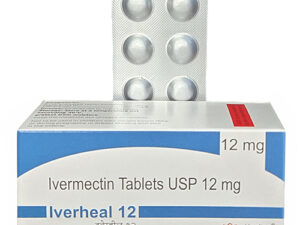
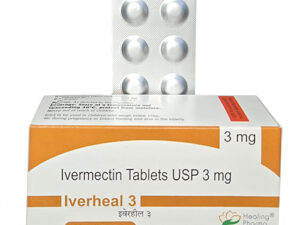
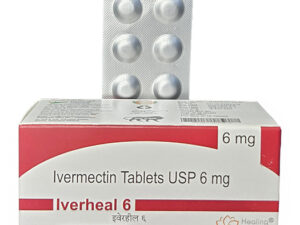
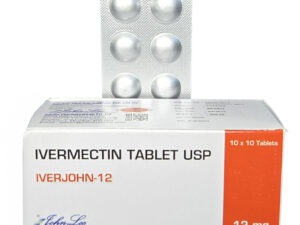



Product verification: Imiquimod sachets are available in different strengths. Imiquimod 5% and Imiquimod 3.75% creams have different approved uses, application schedules, and treatment durations. Confirm the exact concentration, manufacturer, and sachet size before publishing the product listing.
Important Safety Warning: Imiquimod is intended for external topical application only. It must not be swallowed, injected, or applied inside the mouth, eyes, vagina, urethra, or rectum. Severe local skin reactions can occur, particularly when too much cream is applied or treatment is continued despite significant irritation.
What Is Imiquimod Sachet?
Imiquimod Sachet contains imiquimod, a topical immune response modifier used to treat selected skin conditions by stimulating the body’s local immune defenses.
Unlike conventional antiviral or antibacterial medicines, imiquimod does not directly destroy viruses or bacteria.
Instead, it activates immune signaling pathways in the skin, helping immune cells respond to abnormal or virus-infected tissue.
Imiquimod is commonly supplied as a cream in single-use sachets.
Depending on the concentration and regulatory approval, it may be prescribed for external genital and perianal warts, actinic keratosis, or selected superficial basal cell carcinomas.
External genital and perianal warts are commonly associated with certain types of human papillomavirus (HPV).
Actinic keratoses are rough, scaly skin lesions associated with long-term ultraviolet exposure and have the potential to develop into squamous cell carcinoma.
Superficial basal cell carcinoma is a form of nonmelanoma skin cancer that may be suitable for topical treatment in carefully selected cases.
Imiquimod stimulates immune responses in the treated area, which may lead to inflammation, redness, and gradual clearance of abnormal tissue.
Treatment schedules differ significantly depending on the diagnosis and product strength.
Common Reasons for Prescribing Imiquimod Sachet
- External genital warts
- External perianal warts
- Selected HPV-associated external skin lesions
- Actinic keratosis
- Sun-damaged skin with approved actinic keratosis lesions
- Selected superficial basal cell carcinoma
- Local immune response activation
- Dermatologist-directed treatment of certain abnormal skin lesions
- Nonsurgical management of selected superficial skin cancers
- Specialist-supervised topical dermatological therapy
Important: Imiquimod does not eliminate HPV from the body, and treated genital warts may recur. It is not appropriate for every wart, skin lesion, or skin cancer.
How Does Imiquimod Sachet Work?
1. Activates Toll-Like Receptor 7
Imiquimod activates Toll-like receptor 7, an immune receptor involved in recognizing certain molecular signals.
2. Stimulates Local Immune Responses
TLR7 activation promotes immune signaling in the treated skin.
3. Promotes Interferon Production
Imiquimod stimulates production of interferon-alpha and other immune mediators.
4. Increases Cytokine Activity
The medicine promotes the release of cytokines involved in local immune responses.
5. Enhances Antiviral Immune Activity
The stimulated immune response may help the body recognize and clear HPV-associated wart tissue.
6. Targets Abnormal Skin Cells
In selected skin conditions, immune activation helps eliminate abnormal or precancerous cells.
7. Supports Superficial Tumor Clearance
For certain superficial basal cell carcinomas, local immune responses may contribute to destruction of tumor tissue.
8. Produces a Local Inflammatory Reaction
Redness, irritation, and inflammation may occur as the medicine activates immune pathways.
9. Promotes Gradual Lesion Resolution
Visible improvement generally occurs over weeks rather than immediately.
10. Supports Immune-Mediated Skin Treatment
Imiquimod provides a nonsurgical option for certain appropriately diagnosed dermatological conditions.
Important: The intensity of skin inflammation does not reliably indicate treatment success. Severe reactions are not necessary for effectiveness and may require treatment interruption.
Uses of Imiquimod Sachet
1. External Genital Warts
Imiquimod is used to treat selected external genital warts caused by HPV.
It stimulates a local immune response that may help clear visible wart tissue.
2. External Perianal Warts
Certain imiquimod formulations are approved for external perianal warts.
3. HPV-Associated External Lesions
Imiquimod may help treat selected external HPV-associated wart lesions.
It does not eradicate HPV infection from the body.
4. Actinic Keratosis
Imiquimod is used to treat selected actinic keratoses caused by long-term sun exposure.
5. Sun-Damaged Skin
It may be prescribed for defined treatment areas containing actinic keratoses.
6. Superficial Basal Cell Carcinoma
Imiquimod 5% cream is approved in certain markets for selected biopsy-confirmed superficial basal cell carcinomas when specific eligibility criteria are met.
7. Nonsurgical Dermatological Treatment
It may provide a topical treatment option when the lesion and patient meet appropriate clinical criteria.
8. Local Immune Response Modulation
Imiquimod stimulates immune activity within the treated skin.
9. Treatment of Selected Precancerous Lesions
It may help clear approved actinic keratosis lesions.
10. Dermatologist-Directed Skin Therapy
Specialists may prescribe imiquimod for certain other conditions, but such uses may be off-label and should not be represented as universally approved.
Important: Imiquimod is not a general treatment for acne, eczema, psoriasis, fungal infections, or all forms of skin cancer.
Imiquimod Sachet Dosage and Application
The appropriate application schedule depends on the exact cream strength, diagnosis, treatment location, and prescribed regimen.
General Application Information
| Treatment Information | Details |
|---|---|
| Active Ingredient | Imiquimod |
| Common Strengths | 5% and 3.75% |
| Dosage Form | Topical Cream |
| Administration Route | External skin application |
| Treatment Frequency | Varies by indication and strength |
| Application Timing | Often applied before bedtime |
| Contact Duration | Depends on the approved regimen |
| Treatment Duration | Depends on diagnosis and product strength |
| Sachet Use | Follow single-use instructions |
| Medical Supervision | Required |
Examples of Established Imiquimod 5% Regimens
| Indication | Commonly Labeled Regimen |
|---|---|
| External Genital or Perianal Warts | Three times weekly, typically left on for 6–10 hours, for up to 16 weeks |
| Actinic Keratosis | Twice weekly for 16 weeks in certain approved regimens |
| Superficial Basal Cell Carcinoma | Five times weekly for six weeks in selected eligible patients |
These are reference schedules for specific 5% formulations and should not be applied automatically to 3.75% products or other brands. Treatment area, maximum quantity, contact time, and eligibility requirements vary.
How to Apply Imiquimod Sachet
- Wash your hands before application.
- Clean the affected skin gently with mild soap and water.
- Allow the skin to dry completely.
- Open a sachet immediately before use.
- Apply a thin layer only to the prescribed treatment area.
- Rub the cream gently into the skin until it is no longer visible.
- Avoid applying more than the prescribed amount.
- Do not apply inside the eyes, mouth, vagina, urethra, or rectum.
- Do not cover the area with airtight or occlusive dressings unless specifically instructed.
- Wash your hands after application.
- Leave the cream on for the prescribed contact period.
- Wash the treated area with mild soap and water after the recommended contact time.
- Dispose of unused cream from a single-use sachet according to the product instructions.
- Avoid applying the medicine to severely irritated or unhealed skin unless directed.
- Follow the prescribed schedule and treatment duration.
- Contact the prescriber if severe irritation or skin breakdown develops.
Can Imiquimod Sachet Be Applied Every Day?
Not necessarily.
Application frequency varies by formulation and diagnosis. Some regimens involve daily application, while others require treatment only a few days each week.
Do not use imiquimod more frequently than prescribed.
Can Imiquimod Be Used on the Face?
Some formulations are approved for actinic keratosis on specific facial areas.
However, facial use requires careful attention to the approved treatment area and should be supervised by a dermatologist.
Can Imiquimod Be Applied to Open Wounds?
Imiquimod should generally not be applied to unhealed skin or open wounds unless specifically directed by a healthcare professional.
What If an Application Is Missed?
Apply the missed dose when remembered, following the prescribed schedule.
Do not apply extra cream to compensate for a missed application.
Can Imiquimod Be Used for Longer Than Prescribed?
No.
Excessive or prolonged use may increase the risk of severe local reactions without improving effectiveness.
How Long Does Imiquimod Sachet Take to Work?
Imiquimod stimulates immune responses after topical application, but visible lesion clearance takes time.
For external genital warts, improvement may develop over several weeks.
Actinic keratosis treatment may require several weeks of application, with healing continuing after treatment ends.
For superficial basal cell carcinoma, the response must be assessed by a qualified clinician after the prescribed course.
Treatment response varies according to the diagnosis, lesion characteristics, formulation, and patient factors.
Important: Persistent, recurrent, or suspicious lesions require medical reassessment. Apparent surface clearance does not always establish complete elimination of skin cancer.
Common Side Effects
Possible side effects include:
- Skin redness
- Itching
- Burning sensation
- Stinging
- Skin irritation
- Swelling
- Dryness
- Flaking
- Scaling
- Crusting
- Skin tenderness
- Mild pain
- Skin erosion
- Changes in skin color
- Headache
- Fatigue
Local skin reactions are common, but severe or persistent symptoms should be reported.
Potentially Harmful Effects & Serious Health Risks
1. Severe Skin Inflammation
Imiquimod may cause intense redness, swelling, and irritation.
2. Skin Erosion
The treated skin may become eroded or damaged.
3. Ulceration
Severe reactions may result in painful ulceration.
4. Blistering
Blisters may develop in the treatment area.
5. Secondary Skin Infection
Damaged skin may become infected.
6. Severe Pain
Significant discomfort may require temporary interruption of treatment.
7. Pigmentation Changes
Lightening or darkening of the treated skin may occur, sometimes persistently.
8. Flu-Like Symptoms
Some patients experience fatigue, fever, headache, or muscle aches.
9. Severe Allergic Reactions
Rare hypersensitivity reactions may occur.
10. Autoimmune or Inflammatory Reactions
Imiquimod may exacerbate certain inflammatory or autoimmune skin conditions.
11. Genital Swelling
Severe swelling can occur when the medicine is applied to genital skin.
12. Difficulty Urinating
Significant swelling near the urethral opening may interfere with urination.
13. Local Tissue Injury
Excessive application or prolonged exposure may cause substantial skin damage.
14. Persistent Lesions
Incomplete treatment response may allow abnormal lesions to remain.
15. Delayed Cancer Diagnosis
Using imiquimod on an undiagnosed suspicious lesion without proper assessment may delay necessary skin cancer treatment.
Emergency warning: Seek urgent medical attention for difficulty urinating, severe genital swelling, rapidly worsening skin injury, or signs of a serious allergic reaction.
Contraindications & Safety Precautions
1. Hypersensitivity to Imiquimod
Do not use the medicine if allergic to imiquimod or any formulation ingredient.
2. External Use Only
Imiquimod cream is intended for topical application to approved external skin areas.
3. Avoid Mucous Membranes
Do not apply inside the vagina, urethra, rectum, mouth, or eyes.
4. Open Wounds
Avoid use on unhealed skin unless specifically directed.
5. Severe Skin Irritation
Treatment may need to be paused if significant local reactions develop.
6. Skin Cancer Diagnosis
Suspicious lesions should be evaluated by a dermatologist before treatment.
7. Superficial Basal Cell Carcinoma
Use for superficial basal cell carcinoma requires appropriate diagnostic confirmation and clinical follow-up.
8. Sun Exposure
Patients receiving treatment for actinic keratosis should minimize excessive ultraviolet exposure and follow sun-protection recommendations.
9. Pregnancy
Human pregnancy data are limited.
Use during pregnancy requires an individualized assessment of potential benefits and risks.
10. Breastfeeding
Information about imiquimod exposure during breastfeeding is limited.
Avoid application to the breast or areas where an infant may contact the medicine.
11. Children
Approved pediatric age limits vary by indication and product.
12. Older Adults
Older patients may require careful monitoring for local skin reactions.
13. Autoimmune Conditions
Patients with autoimmune disorders should discuss treatment with their healthcare professional.
14. Organ Transplant Recipients
Patients receiving immunosuppressive therapy require specialist assessment.
15. Immunocompromised Patients
Safety and effectiveness may differ in patients with impaired immune function.
16. Sexual Contact
Imiquimod cream should be washed off before sexual activity.
It may weaken condoms and vaginal diaphragms while present on the skin.
17. HPV Transmission
Treatment of visible warts does not necessarily prevent HPV transmission.
18. Drug Interactions
Systemic drug interactions are uncommon because topical absorption is generally limited.
However, patients should disclose other topical medicines, immunomodulators, and treatments applied to the same area.
19. Cosmetic Skin Products
Avoid applying irritating cosmetic products to the treatment area unless approved by the prescriber.
20. Medical Monitoring
Healthcare professionals may monitor:
- Lesion size and appearance
- Treatment response
- Local redness and inflammation
- Skin erosion
- Ulceration
- Secondary infection
- Pain and discomfort
- Skin pigmentation changes
- Genital swelling
- Wart recurrence
- Healing after treatment
- Persistence of actinic keratoses
- Clearance of superficial basal cell carcinoma
- Need for biopsy or alternative treatment
Advantages
- Topical immune response modifier.
- Localized treatment approach.
- Noninvasive administration.
- Established use for external genital warts.
- Established use for selected actinic keratoses.
- Approved for certain superficial basal cell carcinomas.
- Stimulates local immune defenses.
- Convenient single-use sachet packaging.
- May reduce the need for certain procedural treatments.
- Can be applied at home when prescribed.
- Different strengths are available.
- Supports individualized dermatological treatment.
Disadvantages / Limitations
- May cause significant skin irritation.
- May cause burning and itching.
- May cause painful redness.
- May cause swelling.
- May cause skin erosion.
- May cause ulceration.
- May cause blistering.
- May cause crusting.
- May cause pigmentation changes.
- May cause flu-like symptoms.
- Requires careful application.
- Treatment may take several weeks.
- Different strengths have different schedules.
- Does not eliminate HPV from the body.
- Genital warts may recur.
- Not suitable for all skin cancers.
- May require treatment interruption.
- Requires clinical follow-up.
- May weaken condoms and diaphragms.
- Must not be applied internally.
- Does not guarantee complete lesion clearance.
Important Notes
Generic Name: Imiquimod.
Product Name: Imiquimod Sachet.
Common Strengths: 5% and 3.75%.
Drug Class: Immune Response Modifier.
Therapeutic Category: Dermatology / Topical Immunomodulator.
Primary Uses: External genital and perianal warts, actinic keratosis, and selected superficial basal cell carcinoma.
Mechanism: Activation of Toll-like receptor 7 and local immune responses.
Administration Route: Topical.
Dosage Form: Cream in Single-Use Sachet.
Reference Brand: Aldara 5% Cream.
Major Warning: Severe local skin reactions may occur.
Common Side Effects: Redness, itching, burning, swelling, and skin irritation.
Serious Risks: Ulceration, severe inflammation, and local tissue injury.
Pregnancy: Use only after medical assessment.
Breastfeeding: Limited data; avoid infant exposure to treated skin.
Pediatric Use: Depends on the approved indication and age range.
Monitoring: Skin reactions, lesion clearance, recurrence, and healing.
Prescription Status: Prescription Medicine in many markets.
Storage: Follow manufacturer instructions.
Frequently Asked Questions
1. What is Imiquimod Sachet used for?
Imiquimod is used to treat selected external genital and perianal warts, actinic keratoses, and certain superficial basal cell carcinomas.
2. What is the generic name of Aldara Cream?
The generic name is imiquimod.
3. Is Imiquimod an antibiotic?
No. Imiquimod is an immune response modifier.
4. How does Imiquimod work?
It activates local immune signaling through Toll-like receptor 7, helping the immune system respond to abnormal or virus-infected skin cells.
5. Can Imiquimod treat genital warts?
Yes. Certain formulations are approved for external genital and perianal warts.
6. Does Imiquimod cure HPV?
No. Imiquimod may clear visible warts, but it does not eliminate HPV from the body.
7. Can genital warts return after treatment?
Yes. Recurrence is possible.
8. Can Imiquimod treat actinic keratosis?
Yes. Certain formulations are approved for selected actinic keratoses.
Anthony (verified owner) –
Viral Care keeps me healthy and energized all day.
Dominic (verified owner) –
Viral Care keeps me healthy and energized all day.