Many couples seek help from a relationship counsellor when they are facing issues in their relationship. But what does relationship counselling mean?
More importantly, why does it help couples, and what are the benefits of relationship counselling, and when should you see a relationship counsellor?
This article discusses these questions. Here is a detailed description of the following:
Definition of Relationship Counselling
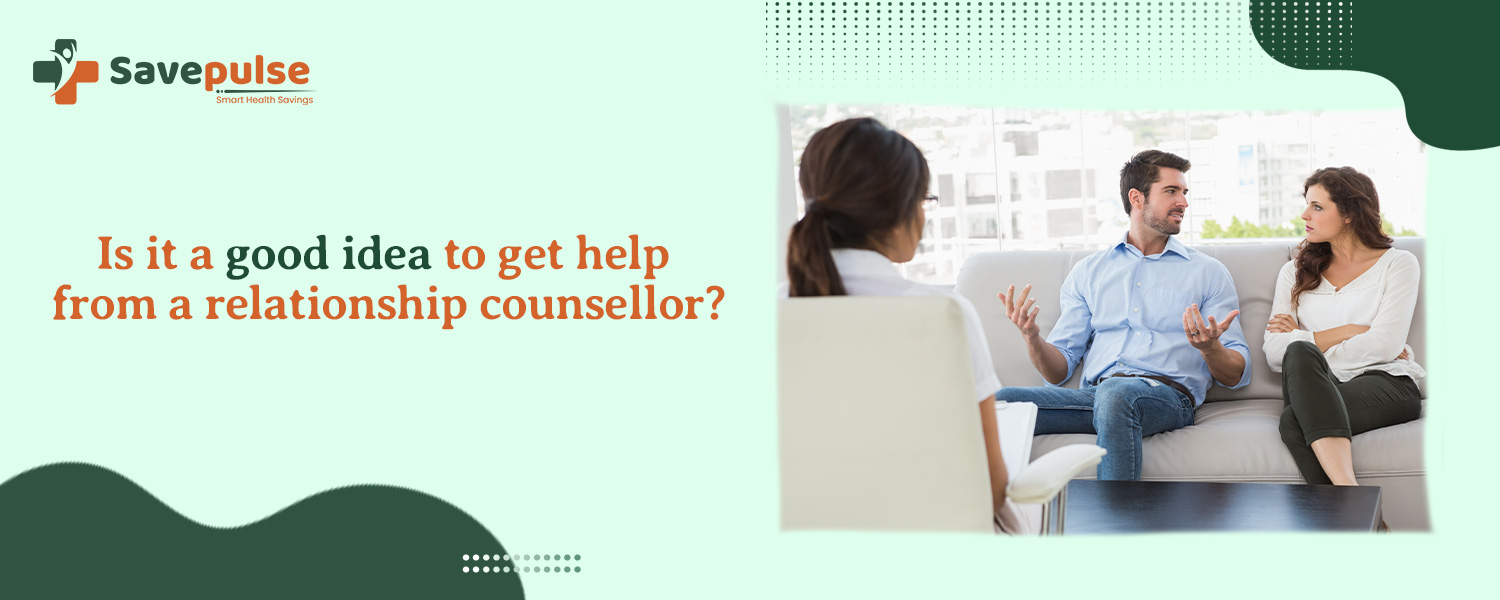
Couples can opt for relationship counselling where they can talk with a professional counsellor or therapist who helps people understand their relationship. Therapists ask clients questions to understand relationship problems, the nature of the partnership, conflicts, communication, and other concerns.
The counsellor addresses several concerns depending on the relationship issues of the couple. The issues include disagreements, communication, distance, trust, sex, or differences between partners.
The primary aim of relationship counselling is to create a harmonious platform where partners can discuss their concerns, and the counsellor helps them understand each other’s problems. A counsellor facilitates the discussion and ensures both parties understand each other’s challenges.
The counsellor does not aim to simply blame either party for a problem but works with the partners to find practical solutions to their issues. Relationship counselling helps partners understand their differences, address disagreements, improve relationships, and come to an agreement.
Benefits of Relationship Counselling
Relationship counselling helps couples dealing with issues in their partnership. The type of benefits derived from counselling depends on the concerns brought to the counsellors’ attention. Partners get to understand each other’s needs, desires, and concerns.
The advantages of relationship counselling help partners:
- Enhance communication
- Learn how to understand feelings, attitudes, and desires
- Learn how to deal with disagreements
- Improve trust
- Address conflicts
- Improve relationships
- Change communication methods
- Discuss intimacy and sex issues
- Learn realistic expectations of the relationship
Relationship counselling helps partners improve communication and discover unhealthy ways of relating to each other. Couples get to confront their issues in a safe and sound environment. However, relationship counselling does not guarantee a lasting relationship. Counselling helps people understand whether to continue or terminate the relationship.
Teaching Healthy Ways to Manage Disagreements
Part of the role of a relationship counsellor is to teach couples proper ways of disagreeing. Partners have equal responsibility for finding ways to solve their disagreements. A counsellor helps each person explain their point of view to the satisfaction of the other party.
Couples often have arguments; however, they may avoid discussing the underlying causes and conditions of the conflict. Couples can use professional counselling to find healthy ways of communicating their concerns to each other. Therapists can teach partners anger management, communication, and other related skills.
Abusive, controlling, and threatening relationships require special intervention. Couples therapy may not be helpful where there is intimate partner abuse, so individual counselling may be necessary. Couples’ therapy focuses primarily on strengthening the relationship. It aims to help partners learn how to enhance their relationship and overcome disagreements.
When people in a relationship fear that their partner will physically hurt them, they should seek other forms of help. Counselling options should be explored based on the specific problem as the causes of such violence vary. There may be situations where individual therapy is a more suitable option.
Building Deeper Connections and Understanding
A relationship counsellor usually helps partners uncover issues that affect their relationship. Partners may have varied communication styles, expectations, or characters, and understanding each other may be challenging. Understanding the causes and consequences of disagreements helps partners solve problems in their relationships.
Counselling builds emotional connections between partners, increases empathy, and helps couples develop good communication skills. Couples therapy helps partners focus on building emotional intimacy and connection to enhance their relationships.
The aim of counselling is not to make partners identical to each other but for them to understand, accept, and respect differences.
Improve Physical Connection for the Best Experience
Sometimes, couples face problems with the physical aspect of their relationship. Couples can seek the help of a professional counsellor to address problems with intimacy. Many relationship issues can stem from problems with sex, and sex therapy can help couples address such concerns. Couples therapy aims to help partners communicate their concerns openly and comfortably.
Sexual concerns affecting a couple may include impotence and other sexual dysfunctions. In men, impotence may be caused by stress, relationship problems, health problems, or a combination of these issues. Prescription drugs may be used to address impotence, but they should not be taken without medical advice or if there are underlying health problems. There are many causes of female sexual dysfunction, including menopause, vaginal dryness, medical diseases, or relationship issues. Doctors can help with medical treatment, while therapists can assist with relationship problems.
Healthy communication with a partner will undoubtedly help you find the answer to your concerns.
Situations in Which Relationship Counselling Is Advisable
Relationship counselling is advisable in many situations and with diverse concerns. You may wish to seek counselling if you and your partner regularly argue, or if you or your partner struggle with communication. You may wish to seek counselling if one partner does not express feelings of affection or love, or if you have sexual concerns. You may also wish to seek counselling when experiencing a significant life change, or if you and your partner are consistently facing the same challenges.
You should also consider counselling if you and your partner are considering parting ways, but you wish to explore all the available options before making a final decision. If you or your partner are a victim of mental, emotional, or physical abuse, you should find appropriate channels of help. Counselling is always advisable when you and your partner are in an emotionally, physically, or sexually abusive relationship.
Decreased Affection and Connection
Couples in conflict may find that they care less for each other. Seeing a therapist may help you and your partner understand what has occurred and work towards reconnecting and developing a new understanding of your relationship. The length of therapy varies depending on the nature of your relationship; therefore, it is hard to predict whether a few weeks or months of sessions are needed.
However, the counsellor’s experience and the cooperation of both partners also contribute to the success of the counselling.
Conclusion
This article discusses the different ways relationship counselling helps couples. Therapy helps couples understand and solve their problems, especially with communication, sex life, trust, disagreements, and other challenges.
Speaking with a professional relationship counsellor and therapist helps couples understand their concerns and discover ways through which they can develop a lasting relationship. Every couple has unique problems; therefore, seeking professional help can help you find the most appropriate method of counselling for your situation.

