
















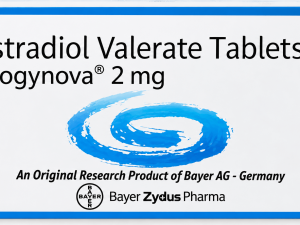















Product verification: Estrabet 2 is described as an estradiol 2 mg product. Confirm the exact formulation, manufacturer, pack size, and country-specific approved indications before publishing.
What Is Estrabet 2 (Estradiol)?
Estrabet 2 (Estradiol 2 mg) is a prescription estrogen hormone medicine used to manage selected conditions associated with reduced estrogen levels.
Estradiol is a naturally occurring estrogen hormone involved in the development and maintenance of female reproductive tissues, bone health, and several physiological functions.
Estrogen levels may decline during menopause, after surgical removal of the ovaries, or because of certain medical conditions affecting hormone production.
Estradiol therapy may be prescribed to help manage symptoms and health effects associated with estrogen deficiency.
Depending on the patient’s condition and applicable prescribing information, estradiol may be used for:
- Moderate to severe menopausal hot flashes.
- Certain symptoms associated with menopause.
- Prevention of postmenopausal osteoporosis in selected patients.
- Hypoestrogenism caused by certain medical conditions.
- Estrogen replacement after certain surgical procedures.
- Selected reproductive medicine protocols under specialist supervision.
Important: Estradiol is not appropriate for every patient. Treatment decisions depend on medical history, individual risk factors, and whether the patient has a uterus.
How Does Estrabet 2 Work?
1. Replaces Estrogen
Estradiol supplements estrogen activity in patients with reduced endogenous estrogen levels.
2. Activates Estrogen Receptors
Estradiol binds to estrogen receptors and influences the expression of genes involved in estrogen-responsive tissues.
3. Helps Regulate Menopausal Symptoms
Estrogen therapy may reduce the frequency and severity of menopausal hot flashes.
4. Supports Reproductive Tissue Function
Estradiol helps maintain estrogen-responsive tissues, including the endometrium and vaginal tissues.
5. Supports Bone Health
Estrogen reduces bone resorption and may help preserve bone mineral density in appropriately selected patients.
6. Supports Hormonal Regulation
Estradiol contributes to several endocrine and reproductive physiological processes.
7. Provides Systemic Estrogen Activity
Oral estradiol is absorbed and produces systemic estrogen effects.
Uses of Estrabet 2
1. Menopausal Hot Flashes
Estradiol may be prescribed to manage moderate to severe vasomotor symptoms associated with menopause.
2. Menopause-Related Symptoms
Estrogen therapy may help relieve certain symptoms associated with declining estrogen levels.
3. Estrogen Deficiency
Estradiol may be used in selected patients with insufficient estrogen production.
4. Surgical Menopause
Estradiol may be prescribed after removal of the ovaries when hormone replacement is appropriate.
5. Primary Ovarian Insufficiency
Estrogen replacement may be considered in patients with primary ovarian insufficiency under specialist supervision.
6. Postmenopausal Osteoporosis Prevention
Certain estradiol formulations may be used to prevent postmenopausal osteoporosis in selected patients.
When prescribed solely for osteoporosis prevention, non-estrogen alternatives should also be considered.
7. Vaginal and Vulvar Symptoms
Systemic estrogen therapy may improve some symptoms related to estrogen deficiency.
However, when symptoms are limited to vaginal or vulvar discomfort, local vaginal therapy may be preferred.
8. Reproductive Medicine Support
Estradiol may be prescribed in selected fertility treatment protocols to support endometrial preparation.
Such use is protocol-specific and may be off-label depending on the country.
9. Hormonal Replacement Following Ovarian Dysfunction
Estradiol may be included in an individualized hormone replacement regimen for certain ovarian disorders.
10. Selected Hormone Therapy Regimens
Estradiol may be used in other specialist-directed hormone therapy settings, depending on the patient’s needs and local regulatory approval.
Important: These are potential uses of estradiol generally. Not every indication is necessarily approved for the Estrabet 2 brand.
How to Take Estrabet 2
Estrabet 2 should be taken exactly as prescribed by a qualified healthcare professional.
General Administration Instructions
- Confirm the prescribed strength and dosage.
- Take the tablet according to the prescribed schedule.
- Swallow the tablet with water.
- Follow the product instructions regarding meals.
- Do not increase the dose without medical advice.
- Do not share the medicine with another person.
- Inform the prescriber about existing medical conditions.
- Attend scheduled medical examinations.
- Report unusual vaginal bleeding or serious adverse effects.
- Review the need for continued treatment periodically.
Recommended Dosage
The appropriate dose depends on:
- Treatment indication
- Age
- Menopausal status
- Estrogen deficiency severity
- Presence or absence of a uterus
- Medical history
- Individual treatment response
- Risk factors for estrogen-related complications
- Concurrent hormone therapy
Estrabet 2 contains 2 mg estradiol per tablet.
However, the tablet strength does not establish the correct daily dose for every patient.
Hormone therapy should generally use the lowest effective dose for the shortest duration consistent with the patient’s treatment goals and risks, with periodic reassessment.
Is Progesterone Required With Estradiol?
Patients with an intact uterus who receive systemic estrogen therapy generally require an appropriate progestogen to reduce the risk of endometrial hyperplasia and endometrial cancer.
Patients who have undergone a hysterectomy may not require a progestogen, although individual circumstances can differ.
What If a Dose Is Missed?
Follow the product leaflet or prescriber’s instructions.
Do not double doses to compensate for a missed tablet.
Can Estrabet 2 Be Stopped Suddenly?
Consult the prescribing healthcare professional before stopping or changing treatment.
Menopausal symptoms may return after discontinuation.
How Long Does Estrabet 2 Take to Work?
Estradiol begins producing hormonal effects after absorption, but symptom improvement varies.
Some patients may notice improvement in menopausal symptoms within several weeks.
Full assessment of treatment response may require additional time.
The response depends on the condition being treated, dosage, and individual factors.
Common Side Effects
Possible side effects include:
- Nausea
- Headache
- Breast tenderness
- Breast swelling
- Abdominal discomfort
- Bloating
- Fluid retention
- Changes in vaginal bleeding
- Spotting
- Mood changes
- Dizziness
- Changes in weight
- Leg cramps
Not every patient experiences these effects.
Potentially Harmful Effects & Serious Health Risks
1. Blood Clots
Oral estrogen therapy can increase the risk of venous thromboembolism, including deep vein thrombosis and pulmonary embolism.
Seek emergency medical attention for sudden breathlessness, chest pain, or painful swelling in one leg.
2. Stroke
Systemic estrogen therapy may increase the risk of stroke in certain populations.
Sudden facial weakness, difficulty speaking, or weakness on one side of the body requires emergency care.
3. Endometrial Cancer
Using systemic estrogen without adequate progestogen protection in patients with an intact uterus increases the risk of endometrial hyperplasia and endometrial cancer.
4. Breast Cancer Risk
The risk of breast cancer depends on the hormone therapy regimen, duration, and individual factors.
Combined estrogen-progestogen therapy has been associated with increased breast cancer risk in certain populations.
5. Cardiovascular Complications
Systemic hormone therapy may increase the risk of certain cardiovascular events, depending on the patient’s age, treatment regimen, and underlying risk factors.
6. Gallbladder Disease
Oral estrogen therapy may increase the risk of gallbladder problems.
7. High Blood Pressure
Blood pressure changes may occur during treatment.
8. Liver-Related Complications
Estradiol may be unsuitable for patients with significant active liver disease.
9. Fluid Retention
Estrogen therapy may cause fluid retention and worsen certain medical conditions.
10. Severe Allergic Reactions
Serious hypersensitivity reactions may occur.
11. Hypertriglyceridemia
Estrogen may increase triglyceride levels and, in susceptible patients, contribute to pancreatitis.
12. Dementia-Related Warning
Certain systemic hormone therapy regimens have been associated with an increased risk of probable dementia when initiated in women aged 65 years or older.
Hormone therapy should not be used to prevent dementia.
Contraindications & Safety Precautions
1. History of Blood Clots
Patients with active or previous venous thromboembolism generally should not use systemic estrogen unless a specialist determines an appropriate alternative strategy.
2. History of Stroke or Heart Attack
Systemic estrogen is generally contraindicated in patients with active or previous arterial thromboembolic disease.
3. Breast Cancer
Known, suspected, or previous breast cancer may be a contraindication to systemic estrogen therapy, depending on the clinical setting.
4. Estrogen-Dependent Cancer
Known or suspected estrogen-dependent malignancies generally contraindicate treatment.
5. Unexplained Vaginal Bleeding
Undiagnosed abnormal genital bleeding requires medical evaluation before treatment.
6. Pregnancy
Estradiol should not be used during pregnancy for routine hormone replacement therapy.
7. Breastfeeding
Estradiol may affect milk production and can pass into breast milk. Use requires professional assessment.
8. Liver Disease
Active liver disease may make estradiol unsuitable.
9. Blood Clotting Disorders
Patients with thrombophilia or other clotting disorders require specialist evaluation.
10. High Blood Pressure
Blood pressure should be appropriately monitored.
11. Diabetes
Patients with diabetes may require additional monitoring.
12. Migraine
Patients with migraines, particularly those with neurological symptoms, should discuss their history with the prescriber.
13. Gallbladder Disease
Existing gallbladder conditions may require additional caution.
14. Endometriosis
Patients with a history of endometriosis should discuss hormone therapy risks with their specialist.
15. Uterine Fibroids
Estrogen may affect certain estrogen-sensitive uterine conditions.
16. Surgery and Immobilization
Temporary interruption may be necessary before certain surgeries or during prolonged immobilization because of blood clot risk.
17. Drug Interactions
Estradiol may interact with certain medicines, including some enzyme-inducing antiepileptics, rifampin, and other medicines affecting hormone metabolism.
18. Medical Monitoring
Healthcare professionals may monitor:
- Blood pressure
- Breast health
- Abnormal vaginal bleeding
- Cardiovascular risk factors
- Blood clot symptoms
- Liver function when indicated
- Lipid levels when indicated
- Treatment response
- Medication interactions
- Need for ongoing hormone therapy
Advantages
- Provides estrogen replacement.
- May relieve menopausal hot flashes.
- May improve selected estrogen-deficiency symptoms.
- Can support bone density in appropriate patients.
- Oral tablet formulation.
- Established use in hormone replacement therapy.
- May be used after surgical menopause when appropriate.
- May be prescribed for selected ovarian insufficiency conditions.
- Can be included in specialist-directed reproductive treatment protocols.
- Allows individualized hormone therapy planning.
Disadvantages / Limitations
- May increase blood clot risk.
- May increase stroke risk.
- May cause breast tenderness.
- May cause nausea.
- May cause headache.
- May cause fluid retention.
- May cause abnormal vaginal bleeding.
- Unopposed systemic estrogen increases endometrial cancer risk in patients with a uterus.
- Breast cancer risk varies by regimen and duration.
- May increase gallbladder disease risk.
- May affect triglyceride levels.
- Requires medical monitoring.
- Not suitable for every patient.
- May interact with other medicines.
- Not intended for cardiovascular disease prevention.
- Not intended for dementia prevention.
- Requires individualized assessment of benefits and risks.
Important Notes
Generic Name: Estradiol.
Brand Name: Estrabet 2.
Strength: 2 mg.
Drug Class: Estrogen Hormone.
Therapeutic Category: Hormone Replacement Therapy.
Primary Use: Selected estrogen-deficiency conditions.
Mechanism of Action: Estrogen receptor activation and hormone replacement.
Administration Route: Oral.
Prescription Status: Prescription-Only Medicine.
Major Warning: Blood clots, stroke, and estrogen-related cancer risks.
Uterus-Related Warning: Systemic estrogen generally requires appropriate progestogen protection in patients with an intact uterus.
Pregnancy Warning: Not intended for use during pregnancy.
Monitoring: Periodic evaluation of treatment benefits and risks.
Storage: Follow manufacturer instructions.
Frequently Asked Questions
1. What is Estrabet 2 used for?
Estrabet 2 contains estradiol, an estrogen hormone used to manage selected estrogen-deficiency conditions.
2. What is the generic name of Estrabet 2?
The generic name is estradiol.
3. Is Estrabet 2 a hormone medicine?
Yes. It contains an estrogen hormone.
4. How does Estrabet 2 work?
Estradiol activates estrogen receptors and replaces estrogen activity when hormone levels are insufficient.
5. Can Estrabet 2 help with menopause symptoms?
Estradiol may relieve moderate to severe menopausal hot flashes and certain other estrogen-deficiency symptoms.
6. Can Estrabet 2 help prevent osteoporosis?
Certain estradiol products may be prescribed for postmenopausal osteoporosis prevention in selected patients.
7. Is Estrabet 2 used in fertility treatment?
Estradiol may be used in selected fertility treatment protocols under specialist supervision.
8. Can Estrabet 2 be used during pregnancy?
It is not intended for routine use during pregnancy.
9. Can Estrabet 2 cause weight gain?
Changes in weight or fluid retention may occur.
10. Can Estrabet 2 cause breast tenderness?
Yes. Breast tenderness is a possible side effect.

Reviews
There are no reviews yet.