
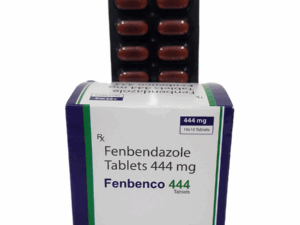














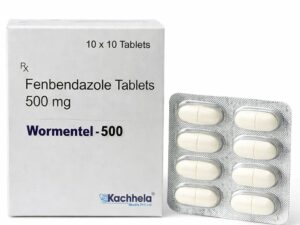
Mebendazole 500 mg is available as a single-dose chewable tablet in certain markets. The exact formulation, approved indications, age restrictions, manufacturer, and administration instructions must be confirmed from the local product label.
Mebendazole 500 mg is an antiparasitic medicine used for specific intestinal worm infections. It is not an antibiotic, antiviral, or proven treatment for cancer.
What Is Mebendazole 500 mg?
Mebendazole 500 mg is an oral anthelmintic medicine belonging to the benzimidazole class.
It is used to treat certain intestinal infections caused by parasitic worms, also known as helminths.
Mebendazole works by interfering with essential cellular processes in susceptible worms, reducing their ability to absorb and utilize nutrients.
This disrupts the parasites’ energy metabolism and eventually leads to their death.
A 500 mg single-dose formulation is approved in some countries for selected intestinal helminth infections, including infections caused by roundworm, whipworm, and hookworm.
The appropriate treatment depends on the worm species, patient age, local prescribing guidance, and specific product formulation.
Common Reasons for Prescribing Mebendazole
- Intestinal roundworm infection
- Whipworm infection
- Hookworm infection
- Selected mixed intestinal worm infections
- Deworming programs where locally recommended
- Treatment of susceptible intestinal helminths
- Certain additional intestinal worm infections under appropriate medical guidance
Important: Not all parasitic infections respond to mebendazole. Tapeworm infections, strongyloidiasis, and tissue-invasive parasitic diseases may require different medicines.
How Does Mebendazole Work?
1. Targets Susceptible Intestinal Worms
Mebendazole acts against several intestinal helminths, particularly certain nematodes.
2. Binds to Parasite Beta-Tubulin
Mebendazole binds to beta-tubulin in susceptible parasites, interfering with microtubule formation.
3. Disrupts Microtubule Function
Microtubules are essential for normal cellular structure, transport, and nutrient uptake.
4. Interferes With Glucose Uptake
Disruption of microtubule function reduces the worms’ ability to take up glucose efficiently.
5. Depletes Energy Stores
Reduced nutrient uptake contributes to depletion of the parasite’s energy reserves.
6. Impairs Parasite Survival
Disruption of essential cellular processes eventually leads to immobilization and death of susceptible worms.
7. Allows Parasite Elimination
Dead or damaged intestinal worms are generally eliminated through normal bowel movements.
Important: Mebendazole does not necessarily kill every type of intestinal parasite, and treatment success varies by organism and regimen.
Uses of Mebendazole 500 mg
1. Roundworm Infection (Ascariasis)
Mebendazole is used to treat intestinal infection caused by Ascaris lumbricoides.
Roundworm infection may cause abdominal discomfort, nausea, or nutritional problems, although many cases are asymptomatic.
2. Whipworm Infection (Trichuriasis)
Mebendazole is used against Trichuris trichiura.
Whipworm infection can cause abdominal symptoms, diarrhea, and other complications in heavier infections.
Treatment effectiveness may vary, and some infections require additional evaluation or alternative regimens.
3. Hookworm Infection
Mebendazole is used against susceptible hookworms, including Ancylostoma duodenale and Necator americanus.
Hookworm infection may contribute to iron-deficiency anemia and nutritional problems.
4. Mixed Intestinal Worm Infections
Mebendazole may be used when more than one susceptible intestinal worm species is present.
5. Soil-Transmitted Helminth Infections
Mebendazole is used in the management of several soil-transmitted helminth infections.
6. Community Deworming Programs
Mebendazole 500 mg is used in certain public-health deworming programs according to national and international guidance.
7. Selected Pediatric Deworming Programs
Mebendazole may be administered to eligible children under age-specific public-health guidance.
The minimum age and safety requirements depend on the formulation and program.
8. Enterobiasis (Pinworm Infection)
Mebendazole is active against pinworms, but the commonly used treatment regimen for pinworm infection is different from the 500 mg single-dose regimen used for certain soil-transmitted helminths.
Do not assume that every 500 mg product is approved or appropriately dosed for pinworm infection.
9. Prevention of Reinfection Through Public-Health Measures
Mebendazole treats susceptible infections but does not provide lasting protection against reinfection.
Hand hygiene, sanitation, safe food preparation, and appropriate footwear remain important.
10. Clinically Confirmed Intestinal Helminth Infection
Healthcare professionals may select mebendazole after assessing symptoms, exposure history, stool testing, and the likely parasite.
Mebendazole 500 mg Dosage and Administration
Mebendazole dosing depends on the parasite, patient age, country-specific guidance, and product formulation.
General Reference Dosage
| Infection / Situation | General Reference Information |
|---|---|
| Ascariasis | A single 500 mg oral dose is an accepted regimen in certain guidelines and approved formulations |
| Trichuriasis | A single 500 mg dose is used in some settings, although efficacy may be lower than for other intestinal worms |
| Hookworm Infection | A single 500 mg dose is used in some approved regimens and public-health programs |
| Mixed Soil-Transmitted Helminth Infections | Single-dose treatment may be appropriate for eligible patients |
| Pinworm Infection | Common reference regimen is 100 mg, with a repeat dose after two weeks; do not substitute a 500 mg regimen without specific guidance |
| Other Parasitic Infections | Require organism-specific evaluation and treatment |
Important: The 500 mg single-dose regimen is not appropriate for every worm infection. Follow the prescribing instructions for the exact product.
General Administration Instructions
- Confirm the prescribed dose and product formulation.
- Read the package instructions carefully.
- Take the medicine orally as directed.
- If the product is a chewable tablet, follow the manufacturer’s chewing instructions.
- Some chewable formulations may also be swallowed or softened in water according to their approved label.
- Do not crush or divide the tablet unless permitted by the product instructions.
- Do not take additional doses without medical guidance.
- Maintain appropriate hygiene to reduce reinfection.
- Seek medical advice if symptoms persist.
- Follow any recommended stool testing or reassessment.
Can Mebendazole Be Taken With Food?
Mebendazole may generally be taken with or without food for common intestinal worm infections, subject to the specific product instructions.
Is Fasting Required?
Fasting is generally not required for standard intestinal deworming treatment with mebendazole.
Are Laxatives Required?
Laxatives are generally not necessary.
What If a Dose Is Missed?
If prescribed a multi-dose regimen, follow the product instructions or contact a healthcare professional for advice.
Do not double the dose.
Is Repeat Treatment Necessary?
Repeat treatment depends on the worm species, treatment response, and risk of reinfection.
For example, pinworm treatment commonly requires a repeat dose after two weeks, using the appropriate pinworm regimen.
A repeat 500 mg dose should not be assumed necessary for every infection.
How Long Does Mebendazole 500 mg Take to Work?
Mebendazole begins affecting susceptible worms after administration.
However, the time required for elimination and symptom improvement varies.
Some individuals may notice improvement within several days, while others may require longer.
Visible worms may not always appear in the stool.
Persistent symptoms do not necessarily indicate treatment failure, but they may require further evaluation.
Follow-up stool testing may be recommended for selected infections.
Common Side Effects
Possible side effects include:
- Abdominal pain
- Stomach discomfort
- Nausea
- Diarrhea
- Flatulence
- Vomiting
- Reduced appetite
- Headache
- Dizziness
- Mild skin rash
Gastrointestinal symptoms may also be associated with the underlying worm infection.
Potentially Harmful Effects & Serious Health Risks
1. Severe Allergic Reactions
Rare hypersensitivity reactions, including anaphylaxis, may occur.
2. Severe Skin Reactions
Serious reactions, including Stevens-Johnson syndrome and toxic epidermal necrolysis, have been reported.
3. Blood Cell Disorders
Rare cases of neutropenia and agranulocytosis have been associated with mebendazole, particularly during prolonged or high-dose treatment.
4. Liver Injury
Elevated liver enzymes and hepatitis have been reported, especially with prolonged or high-dose exposure.
5. Seizures
Seizures have been reported rarely, including in young children.
6. Gastrointestinal Disturbances
Abdominal pain, diarrhea, nausea, and vomiting may occur.
7. Drug Interactions
Certain medicines may alter mebendazole exposure or increase adverse-effect risks.
8. Metronidazole-Associated Skin Reaction Risk
Concomitant use of mebendazole and metronidazole should generally be avoided because severe skin reactions have been reported.
9. Pregnancy-Related Concerns
Pregnancy use requires individualized medical assessment, particularly during the first trimester.
10. Pediatric Safety Concerns
Very young children require age-specific assessment and formulation guidance.
11. Inadequate Treatment of Certain Parasites
Using mebendazole for an infection requiring another antiparasitic medicine may delay effective treatment.
12. Risks of Unsupervised High-Dose Use
High-dose or prolonged treatment outside established indications may increase the risk of serious blood, liver, and other adverse effects.
Contraindications & Safety Precautions
1. Allergy to Mebendazole
Do not take mebendazole if allergic to the active ingredient or other formulation components.
2. Pregnancy
Pregnancy use should be determined by a healthcare professional.
Some public-health programs permit treatment after the first trimester in specific circumstances, but this does not mean unsupervised use is appropriate.
3. First Trimester of Pregnancy
Treatment during early pregnancy generally requires particular caution and assessment of benefits and risks.
4. Breastfeeding
Mebendazole has low systemic absorption, but breastfeeding patients should follow healthcare guidance and the applicable product label.
5. Young Children
Minimum approved ages vary by formulation and country.
Some 500 mg chewable products are approved for children aged one year and older in certain markets, while other products have different restrictions.
6. Liver Disease
Patients with significant liver disease should inform their healthcare professional.
7. Blood Disorders
Patients with existing blood cell disorders should seek medical advice, particularly if prolonged treatment is being considered.
8. Metronidazole Use
Avoid combining mebendazole with metronidazole unless a specialist has assessed the risks.
9. Cimetidine Use
Cimetidine may increase mebendazole concentrations, particularly with prolonged therapy.
10. Certain Anticonvulsants
Medicines such as carbamazepine and phenytoin may reduce mebendazole exposure.
11. Suspected Intestinal Obstruction
Severe abdominal pain, persistent vomiting, or signs of intestinal obstruction require urgent medical evaluation.
12. Persistent Worm Infection
If symptoms persist, the parasite may require confirmation or a different treatment regimen.
13. Repeated Self-Medication
Avoid taking repeated doses without identifying the infection and reviewing the treatment plan.
14. Long-Term High-Dose Treatment
Prolonged high-dose use requires specialist supervision and may require laboratory monitoring.
15. Hygiene and Reinfection Prevention
Wash hands, maintain nail hygiene, clean potentially contaminated items, and follow parasite-specific prevention advice.
16. Household Transmission
For pinworm infection, household treatment and environmental measures may be recommended.
17. Product Formulation
Confirm whether the 500 mg product is chewable and follow the exact administration instructions.
18. Medical Monitoring
Healthcare professionals may consider:
- Symptoms and exposure history
- Stool examination
- Identification of worm species
- Treatment response
- Persistent abdominal symptoms
- Signs of reinfection
- Liver function when clinically indicated
- Blood counts during prolonged or high-dose treatment
- Drug interactions
- Pregnancy status
- Age-specific dosing requirements
- Need for alternative antiparasitic therapy
Advantages
- Established benzimidazole anthelmintic.
- Active against several intestinal nematodes.
- Used for roundworm infection.
- Used for whipworm infection.
- Used for hookworm infection.
- May treat selected mixed intestinal worm infections.
- Single-dose 500 mg regimens are available for certain indications.
- Oral administration.
- Chewable formulations are available.
- Used in public-health deworming programs.
- Generally low systemic absorption at standard intestinal treatment doses.
- May help reduce worm burden in susceptible infections.
Disadvantages / Limitations
- Not effective against every parasite.
- May cause abdominal pain.
- May cause nausea.
- May cause diarrhea.
- May cause vomiting.
- May cause headache.
- May cause allergic reactions.
- Rare severe skin reactions are possible.
- Rare blood disorders may occur.
- Liver-related adverse effects are possible.
- Requires caution during pregnancy.
- Age restrictions vary by formulation.
- May interact with metronidazole.
- May interact with certain other medicines.
- Reinfection can occur.
- Treatment efficacy varies by parasite.
- May require follow-up testing.
- Not an antiviral medicine.
- Not an antibiotic.
- Not an established cancer treatment.
Important Notes
Generic Name: Mebendazole.
Strength: 500 mg.
Drug Class: Benzimidazole Anthelmintic.
Therapeutic Category: Antiparasitic / Deworming Medicine.
Primary Use: Selected intestinal helminth infections.
Common Target Parasites: Roundworm, whipworm, and hookworm.
Mechanism: Inhibition of parasite microtubule formation and glucose uptake.
Administration Route: Oral.
Dosage Form: Commonly available as a chewable tablet.
Single-Dose Treatment: Used for certain intestinal worm infections according to approved regimens.
Major Warning: Rare serious allergic, skin, liver, and blood-related adverse effects.
Important Interaction: Avoid concomitant metronidazole unless specifically assessed by a specialist.
Pregnancy Warning: Requires individualized medical guidance.
Pediatric Warning: Follow age-specific product approval and dosing instructions.
Prescription Status: Country-dependent.
Storage: Follow manufacturer instructions.
Frequently Asked Questions
1. What is Mebendazole 500 mg used for?
Mebendazole 500 mg is used to treat certain intestinal worm infections, including roundworm, whipworm, and hookworm infections.
2. Is Mebendazole an antibiotic?
No. Mebendazole is an anthelmintic medicine used against susceptible parasitic worms.
3. How does Mebendazole kill worms?
It disrupts microtubule formation and glucose uptake in susceptible worms, interfering with their energy metabolism and survival.
4. Can Mebendazole treat roundworm?
Yes. Mebendazole is an established treatment for intestinal roundworm infection.
5. Can Mebendazole treat hookworm?
Yes. It is used for susceptible hookworm infections.
6. Can Mebendazole treat whipworm?
Yes. It is used for whipworm infection, although treatment effectiveness can vary.
7. Can Mebendazole treat pinworm?
Yes, but the commonly used pinworm regimen differs from the 500 mg single-dose regimen for certain soil-transmitted helminths.
8. Is Mebendazole 500 mg taken as a single dose?
A single 500 mg dose is used for certain infections and approved formulations. Other infections may require different treatment.
9. Should Mebendazole be taken with food?
It can generally be taken with or without food for common intestinal worm infections, subject to the specific product instructions.
Reviews
There are no reviews yet.