





































Metformin can rarely cause lactic acidosis, a serious and potentially fatal condition. Risk is higher in patients with severe kidney impairment, significant oxygen deprivation, severe illness, or certain other medical conditions.
What Is Metformin 850 mg?
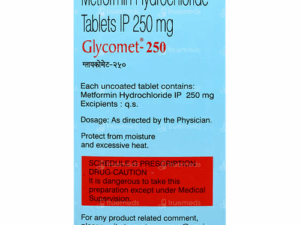
Metformin 850 mg Tablets contain metformin hydrochloride, a widely prescribed oral antidiabetic medicine used to improve blood glucose control in patients with type 2 diabetes mellitus.
Metformin belongs to the biguanide class of medicines.
It primarily works by reducing the amount of glucose produced by the liver and improving the body’s response to insulin.
Unlike some other diabetes medicines, metformin does not directly stimulate the pancreas to release additional insulin.
For this reason, metformin alone generally has a low risk of causing hypoglycemia.
It is commonly prescribed as an initial medicine for type 2 diabetes, depending on the patient’s clinical circumstances and current treatment guidelines.
Metformin may be used alone or in combination with other glucose-lowering medicines, including insulin.
It is most effective as part of a diabetes management plan that includes appropriate nutrition, physical activity, weight management when indicated, and regular blood glucose monitoring.
Metformin is not a substitute for insulin in patients with type 1 diabetes.
Common Reasons for Prescribing Metformin 850 mg
- Type 2 diabetes mellitus
- Elevated blood glucose in type 2 diabetes
- Improving glycemic control
- Reducing excessive hepatic glucose production
- Improving insulin sensitivity
- Combination therapy for type 2 diabetes
- Supporting HbA1c reduction
- Selected cases of PCOS (off-label)
- Selected patients with prediabetes at high risk of developing diabetes (off-label in the US)
- Long-term type 2 diabetes management
Important: The suitability of metformin depends on kidney function, other medical conditions, and the overall diabetes treatment plan.
How Does Metformin 850 mg Work?
1. Reduces Liver Glucose Production
Metformin decreases hepatic glucose production, helping reduce excessive blood glucose levels.
2. Improves Insulin Sensitivity
It helps the body respond more effectively to insulin.
3. Improves Peripheral Glucose Utilization
Metformin can improve glucose uptake and utilization in peripheral tissues.
4. Reduces Fasting Blood Glucose
Its effects on hepatic glucose production help improve fasting glucose levels.
5. Supports HbA1c Reduction
With consistent treatment, metformin can improve average blood glucose levels over time.
6. Does Not Directly Stimulate Insulin Secretion
Metformin does not increase insulin release in the same way as sulfonylurea medicines.
7. Has a Low Hypoglycemia Risk When Used Alone
Low blood sugar is uncommon with metformin monotherapy but may occur when combined with insulin or insulin secretagogues.
8. Supports Long-Term Glycemic Management
Metformin may help maintain blood glucose control when combined with appropriate lifestyle measures.
9. May Have Weight-Neutral or Modest Weight-Lowering Effects
Metformin is generally weight-neutral and may produce modest weight loss in some patients.
10. Helps Address Insulin Resistance
Improved insulin sensitivity contributes to its glucose-lowering effect.
Important: Metformin does not cure diabetes. Continued treatment and monitoring may be necessary.
Uses of Metformin 850 mg
1. Type 2 Diabetes Mellitus
Metformin is indicated to improve glycemic control in patients with type 2 diabetes mellitus.
2. Blood Glucose Management
It helps reduce elevated blood glucose levels.
3. Fasting Glucose Control
Metformin is particularly useful for reducing excessive glucose production by the liver.
4. HbA1c Management
Treatment may help reduce HbA1c, a marker of average blood glucose over approximately three months.
5. Insulin Resistance
Metformin improves insulin sensitivity and is used in conditions where insulin resistance contributes to elevated blood glucose.
6. Combination Diabetes Therapy
Metformin may be prescribed with other antidiabetic medicines when additional glucose control is required.
7. Metformin With Insulin
It may be combined with insulin in selected patients with type 2 diabetes.
8. Polycystic Ovary Syndrome (Off-Label)
Metformin is sometimes prescribed for selected patients with PCOS, particularly when metabolic abnormalities or insulin resistance are present.
9. Prediabetes (Off-Label in the US)
Metformin may be considered for certain high-risk adults with prediabetes, although lifestyle intervention remains central.
10. Long-Term Diabetes Management
Metformin is widely used for ongoing glycemic control when effective and well tolerated.
Important: Metformin is not approved as a general-purpose weight-loss medicine.
Metformin 850 mg Dosage and Administration
Dosage depends on blood glucose levels, kidney function, tolerance, age, and other prescribed medicines.
General Dosage Information
| Dosage Information | Details |
|---|---|
| Active Ingredient | Metformin Hydrochloride |
| Tablet Strength | 850 mg |
| Formulation | Immediate-Release |
| Common Adult Starting Regimen | 850 mg once daily with meals |
| Dose Adjustment | May be increased gradually based on tolerance and glucose response |
| Typical Administration | With meals |
| Maximum Adult Dose | Up to 2,550 mg daily for certain immediate-release products, divided into doses |
| Kidney Function Assessment | Required before starting and periodically during treatment |
| Treatment Duration | Individualized; often long-term |
| Medical Supervision | Required |
The listed starting regimen is an established option for immediate-release metformin, not a personalized dosing recommendation.
How to Take Metformin 850 mg Tablets
- Take the medicine as prescribed.
- Confirm whether the product is immediate-release or extended-release.
- Take immediate-release metformin with meals.
- Swallow the tablet with water.
- Follow the prescribed daily schedule.
- Do not increase the dose independently.
- Do not take extra tablets to lower glucose quickly.
- Follow the recommended diabetes meal plan.
- Maintain appropriate physical activity.
- Monitor blood glucose as advised.
- Attend regular HbA1c testing.
- Complete recommended kidney function tests.
- Report persistent diarrhea or vomiting.
- Inform healthcare professionals before imaging procedures involving iodinated contrast.
- Avoid excessive alcohol consumption.
- Inform the prescriber about severe infections or dehydration.
- Report unusual weakness or breathing difficulty.
- Follow instructions during acute illness.
- Attend regular medical follow-up appointments.
- Store the medicine according to the product label.
Can Metformin 850 mg Be Taken With Food?
Yes. Immediate-release metformin should generally be taken with meals to reduce gastrointestinal side effects.
What If a Dose Is Missed?
Take the missed dose when remembered unless it is nearly time for the next scheduled dose.
Skip the missed dose if the next dose is approaching.
Do not take two doses together.
Can Metformin Be Taken Every Day?
Yes. Metformin is commonly prescribed for daily, long-term diabetes management.
Can Metformin Be Stopped Suddenly?
Stopping metformin may cause blood glucose levels to rise.
Patients should not discontinue prescribed diabetes treatment without discussing an alternative management plan with their healthcare professional.
How Long Does Metformin 850 mg Take to Work?
Metformin begins affecting glucose metabolism after treatment starts.
Blood glucose improvement may become apparent within several days.
The full effect of dose adjustments may take longer.
HbA1c is generally reassessed after approximately three months because it reflects average blood glucose over time.
Treatment response varies depending on dose, adherence, kidney function, lifestyle, and other medicines.
Common Side Effects
Possible side effects include:
- Diarrhea
- Nausea
- Vomiting
- Abdominal discomfort
- Stomach cramps
- Loss of appetite
- Flatulence
- Indigestion
- Metallic taste
- Loose stools
- Bloating
Gastrointestinal symptoms are especially common when treatment begins or the dose increases.
Taking metformin with meals and increasing the dose gradually may improve tolerability.
Potentially Harmful Effects & Serious Health Risks
1. Lactic Acidosis
Metformin-associated lactic acidosis is rare but potentially life-threatening.
2. Severe Kidney Impairment
Reduced kidney function can cause metformin accumulation and increase lactic acidosis risk.
3. Vitamin B12 Deficiency
Long-term metformin use may reduce vitamin B12 levels.
4. Hypoglycemia With Combination Therapy
Low blood glucose may occur when metformin is used with insulin or sulfonylureas.
5. Dehydration-Related Complications
Severe vomiting, diarrhea, or reduced fluid intake may increase the risk of kidney injury and metformin accumulation.
6. Liver Disease-Related Risks
Significant hepatic impairment may increase the risk of lactic acidosis.
7. Alcohol-Related Risks
Excessive alcohol consumption increases the risk of lactic acidosis.
8. Severe Infection or Hypoxia
Serious illness, sepsis, shock, or conditions causing reduced oxygen delivery may increase lactic acidosis risk.
9. Gastrointestinal Intolerance
Persistent gastrointestinal symptoms may interfere with treatment adherence.
10. Allergic Reactions
Rare hypersensitivity reactions may occur.
Emergency warning: Seek urgent medical attention for unusual severe weakness, rapid or difficult breathing, severe drowsiness, abdominal pain, or other symptoms suggesting lactic acidosis.
Contraindications & Safety Precautions
1. Severe Kidney Impairment
Metformin is contraindicated when estimated glomerular filtration rate (eGFR) is below 30 mL/min/1.73 m².
2. Moderate Kidney Impairment
Initiating metformin is generally not recommended when eGFR is between 30 and 45 mL/min/1.73 m² under US prescribing information.
If kidney function declines during treatment, the prescriber should reassess risks and benefits.
3. Metabolic Acidosis
Metformin is contraindicated in acute or chronic metabolic acidosis, including diabetic ketoacidosis.
4. Hypersensitivity
Do not use metformin if allergic to metformin or its formulation components.
5. Liver Impairment
Metformin is generally avoided in patients with clinical or laboratory evidence of significant hepatic disease.
6. Excessive Alcohol Use
Alcohol may increase the risk of lactic acidosis.
7. Dehydration
Severe dehydration may increase the risk of kidney injury and metformin accumulation.
8. Serious Infection
Patients with severe infection or sepsis require urgent medical assessment.
9. Heart Failure
Stable heart failure does not automatically prohibit metformin, but acute decompensated heart failure or hypoxic states may increase risk.
10. Iodinated Contrast Procedures
Metformin may need to be temporarily discontinued around certain iodinated contrast imaging procedures, particularly in patients with reduced kidney function or other risk factors.
11. Surgery
Temporary interruption may be necessary during some surgical procedures or periods of restricted food and fluid intake.
12. Vitamin B12 Deficiency
Periodic assessment may be appropriate, especially in patients with anemia or peripheral neuropathy.
13. Pregnancy
Metformin may be used during pregnancy in selected circumstances under specialist guidance.
Treatment decisions depend on the indication and individual clinical situation.
14. Breastfeeding
Metformin enters breast milk in small amounts and is generally considered compatible with breastfeeding in many clinical settings, subject to medical assessment.
15. Children
Certain immediate-release metformin products are approved for type 2 diabetes in children aged 10 years and older.
Pediatric dosing must follow the relevant product labeling.
16. Older Adults
Kidney function should be assessed carefully because reduced renal function is more common with increasing age.
17. Drug Interactions
Potentially important interactions include:
- Insulin: May increase hypoglycemia risk.
- Sulfonylureas: May increase hypoglycemia risk.
- Carbonic Anhydrase Inhibitors: May increase metabolic acidosis risk.
- Cimetidine and Certain Renal Transporter Inhibitors: May increase metformin exposure.
- Alcohol: Increases lactic acidosis risk.
- Iodinated Contrast Agents: May require temporary treatment interruption.
- Certain Medicines That Increase Blood Glucose: May reduce glycemic control.
18. Blood Glucose Monitoring
Regular monitoring helps assess treatment effectiveness and detect abnormal glucose levels.
19. Kidney Function Monitoring
Kidney function should be assessed before treatment and periodically afterward.
20. Medical Monitoring
Healthcare professionals may monitor:
- Fasting blood glucose
- Post-meal blood glucose
- HbA1c
- Kidney function
- eGFR
- Vitamin B12 levels
- Gastrointestinal tolerance
- Body weight
- Medication adherence
- Symptoms of hypoglycemia
- Other diabetes medicines
- Hydration status
- Overall glycemic response
Advantages
- Established treatment for type 2 diabetes.
- Reduces hepatic glucose production.
- Improves insulin sensitivity.
- Helps lower blood glucose.
- Supports HbA1c reduction.
- Low hypoglycemia risk when used alone.
- Generally weight-neutral.
- May cause modest weight loss in some patients.
- Oral administration.
- Available in 850 mg strength.
- Can be used with other diabetes medicines.
- May be used alongside insulin.
- Suitable for long-term treatment in appropriate patients.
- Widely studied antidiabetic medicine.
- Can support comprehensive diabetes management.
Disadvantages / Limitations
- May cause diarrhea.
- May cause nausea.
- May cause abdominal discomfort.
- May cause vomiting.
- May cause metallic taste.
- May reduce vitamin B12 levels.
- Requires kidney function monitoring.
- Rare risk of lactic acidosis.
- Not suitable for severe kidney impairment.
- May require temporary interruption during serious illness.
- May require interruption around certain contrast procedures.
- May interact with other medicines.
- Does not cure diabetes.
- May not provide adequate glucose control alone.
- Requires regular monitoring.
- Requires a prescription.
Important Notes
Generic Name: Metformin Hydrochloride.
Product Name: Metformin 850 mg Tablets.
Strength: 850 mg.
Drug Class: Biguanide.
Therapeutic Category: Oral Antidiabetic Medicine.
Primary Use: Type 2 Diabetes Mellitus.
Mechanism: Reduces hepatic glucose production and improves insulin sensitivity.
Administration Route: Oral.
Reference Brand: Glucophage.
Common Starting Dose: 850 mg once daily with meals for certain immediate-release products.
Major Warning: Lactic acidosis.
Common Side Effects: Diarrhea, nausea, and abdominal discomfort.
Serious Risks: Lactic acidosis, particularly with significant renal impairment or acute serious illness.
Pregnancy: Requires individualized medical assessment.
Breastfeeding: Generally considered compatible in many circumstances, with medical guidance.
Pediatric Use: Certain immediate-release products are approved from age 10.
Monitoring: Blood glucose, HbA1c, kidney function, and vitamin B12 when appropriate.
Prescription Status: Prescription Medicine.
Storage: Follow manufacturer instructions.
Frequently Asked Questions
1. What is Metformin 850 mg used for?
Metformin 850 mg is used to improve blood glucose control in patients with type 2 diabetes.
2. What is the generic name of Metformin 850 mg?
The generic name is metformin hydrochloride.
3. How does metformin work?
It reduces glucose production by the liver and improves insulin sensitivity.
4. Is Metformin 850 mg used for type 1 diabetes?
It is not a substitute for insulin and is not routinely used as primary treatment for type 1 diabetes.
5. Can metformin lower blood sugar?
Yes. Metformin helps reduce elevated blood glucose levels in type 2 diabetes.
6. Does metformin increase insulin production?
No. It does not directly stimulate pancreatic insulin secretion.
7. Can metformin cause hypoglycemia?
Hypoglycemia is uncommon with metformin alone but can occur when combined with certain other diabetes medicines.
8. Should Metformin 850 mg be taken with food?
Yes. Immediate-release metformin is generally taken with meals.
9. Can Metformin 850 mg be taken twice daily?
Yes, some patients are prescribed twice-daily dosing, depending on their treatment plan.
10. Can metformin cause diarrhea?
Yes. Diarrhea is one of its most common side effects.

Reviews
There are no reviews yet.